Home
CONTRAST 2.0
A multi-stakeholder effort continued from CONTRAST to develop innovative stroke treatments and how logistics of treatment can be improved.

The COllaboration for New TReatments of Acute Stroke (CONTRAST) 2.0 consortium is a continuation of CONTRAST 1.0. The goal of CONTRAST 2.0 is to improve the outcome for a large group of patients that suffered from cerebral infarction, cerebral vascular stoke or cerebral haemorrhage by also focusing on the phase before and after treatment. CONTRAST 2.0 aims to achieve this by developing new therapies in the laboratory, researching how the logistics of treatment can be improved, and by starting six major clinical trials. In each of these trials, one or more new therapies will be tested or important research questions will be answered. Thereby, CONTRAST 2.0 merges translational research and pragmatic randomized trials.

15
partners

23M EUR
funding
About CONTRAST 2.0
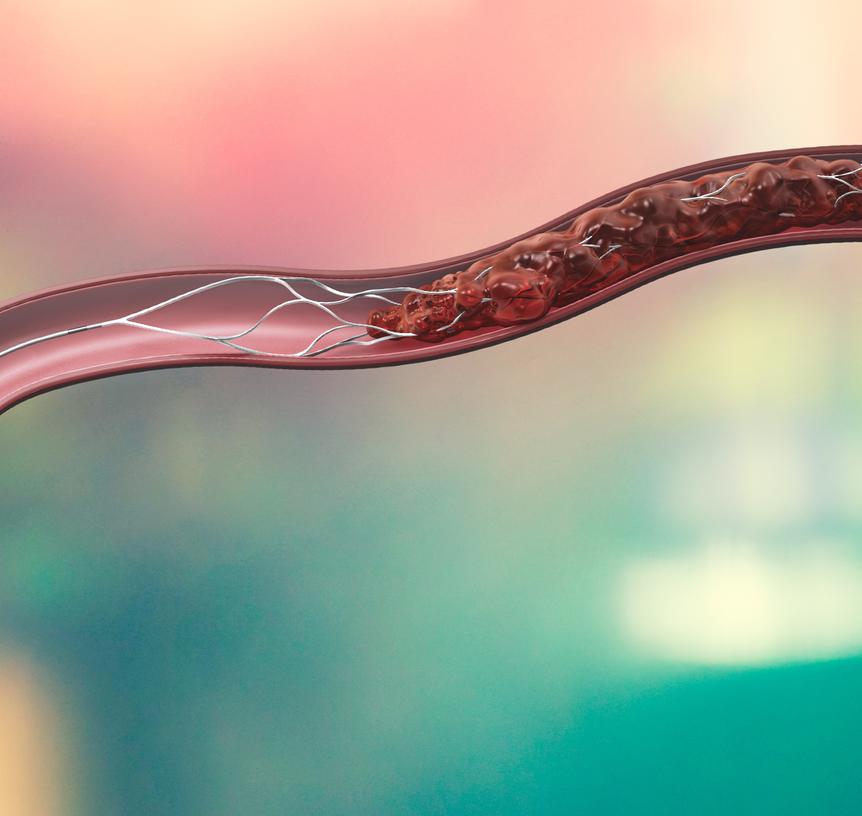
In the Netherlands alone, over 40.000 people are admitted into the hospital because of a stroke. Around 20% of these people do not survive. Many more people survive a stroke, but most of them must live with consequences such as (partial) paralysis and speech impairment. In 2014, the Dutch MR CLEAN study, among others, showed that recovery improves significantly when the clot is removed from the blood vessel in the head with a catheter. It also showed that the beneficial effect of the treatment was much greater the earlier it was applied. But many patients arrive at the hospital late, and of those that do arrive on time, only about one-third have a clot that can be removed with a catheter.
From 2017 and 2022, Dutch researchers in the CONTRAST 1.0 Consortium, collaborated to improve outcomes for stroke patients. Several important and guideline changing studies in the acute treatment phase have already been conducted by this consortium on cerebral haemorrhage and cerebral infarction, leading to better outcomes for patients.
While significant improvements are made in the acute treatment phase, a lot can be gained from better and faster diagnosis and triaging in the ambulance, as well as during the recovery phase since substantial recovery often occurs in the first weeks to months after a stroke. There is still much to be gained here and CONTRAST 2.0 aims to improve this phase before and after the treatment.
Between 2023 and 2028, the CONTRAST 2.0 Consortium will increase the chances of a good recovery in a large group of patients with cerebral infarction, cerebral haemorrhage or cerebrovascular haemorrhage by developing new treatments in the laboratory, by research on improving the logistics for treatment, long term outcomes, better diagnosis, and by starting six large clinical trials. Each of the studies will test one or more new treatments or answer important research questions.
Supporting the consortium organisation
CONTRAST brings together clinical and translational scientists from all academic and large clinical centres. Lygature has supported the organisation of the consortium, and its main task is program management:
Program management. Lygature is responsible for management support at consortium level, which concerns:
- Setting up the governance boards and legal structure of the consortium.
- Facilitate the implementation and maintenance of a secure online project infrastructure. Coordination and support the scientific and technical implementation tasks in close collaboration with other partners.
- Support the smooth transfer of results and knowledge between work packages and support other partners in identifying risks and resolving issues within and between work packages.
- Reporting with input from all partners.
- Centre of internal project communication.
- Implementation of Policies and procedures for dissemination of project results (i.e. publication approval) together with other partners.