Home
Impact Story 1: RSNN
Lygature has been a driving force and a pioneer in the regulatory science field in the Netherlands and internationally for over 15 years. This started in the early 2000s when it was a strong ambition of TI Pharma (now Lygature) to form a think tank on ‘regulatory reform’ to push forward a more efficient and effective regulatory system.
To that end, the TI Pharma Escher Project was started in 2007, bringing together key regulatory stakeholders—including regulatory bodies, HTA agencies, academia, and industry—in a neutral platform to identify, evaluate, and remove regulatory barriers in medicine development. The project delivered many new insights and provocative thoughts on how to regulate medicines in the future. Importantly, the multistakeholder collaboration was widely seen as successful for all parties involved.
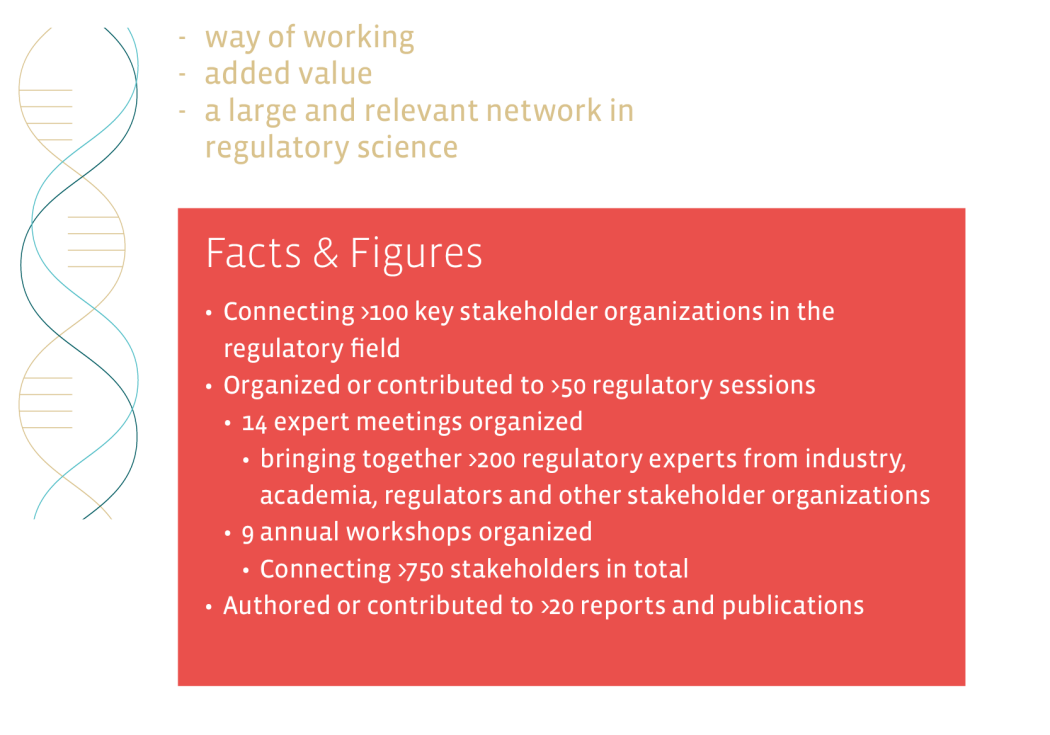
The Escher project was a blueprint for the current Regulatory Science Network Netherlands (RSNN), launched by the Dutch Medicines Evaluation Board (CBG) and the Association of Innovative Medicines (VIG) in 2017. The Lygature coordinated RSNN is an extensive network of experts and stakeholders from industry, academia, patient representatives, public health bodies, and the broader regulatory science field. Its mission is to advance an efficient and effective regulatory system that supports medicines development, marketing authorization, access, and appropriate use of medicines.
Next to the TI Pharma Escher Project and RSNN, Lygature has also been driving multiple international partnerships in the regulatory field, such as the NBCD working group and ADAPT SMART.
An effective and efficient regulatory system serves everybody’s interests. It speeds up innovation, improves resource allocation, and helps to make new treatments available and affordable. To establish and maintain such a system, new and existing regulatory science questions must be addressed timely and properly, and the RSNN has an important role in this.
As phrased in a recent review article: “the basic philosophy of the RSNN has always been that partnership, open dialogue, and transparency are critical ingredients of unbiased public innovation, that is, of regulatory systems designed to serve the patient and the public at large. (…) In this context, trust building and investing in shared understanding between stakeholders including also patients, physicians and policymakers, of the complex (regulatory) environment of innovation remain pivotal.”
The RSNN adds value to the regulatory field through its multistakeholder model including its open, neutral way of working. This model was pioneered by the TI Pharma Escher project.
From the same article: “in hindsight, the TI Pharma Escher project has paved in a transdisciplinary research setting the route to a modernized regulatory landscape in the Netherlands and abroad. It shaped a model for multistakeholder and multi-perspective prioritizing in regulatory sciences.”
Lygature believes that partnerships are key to solving modern health challenges. The regulatory examples of the RSNN and Escher projects strengthen this belief. In the future, we expect to see the multistakeholder model being used increasingly in the regulatory field. New RSNN-supported partnerships that are already being developed are: a Dutch national network focusing on ATMPs (Advanced Therapeutic Medicinal Products), an initiative initiated by the RSNN special interest group Advanced Therapies and the Centre for Future Affordable Sustainable Therapy Development (FAST), and the European Platform for Regulatory Science Research, which the European Medicines Agency and the Heads of Medicines Agency intend to launch in 2025.
Peter MolLygature is like the motor oil that keeps the engine of the network running, they make sure that everything runs smoothly.

A driving force behind regulatory science in the Netherlands
Peter Mol is the current Dutch Medicines Evaluation Board (CBG) member of the Committee for Medicinal Products for Human use (CHMP), and was previously a member and vice chair of the Scientific Advice Working Party (SAWP) of the European Medicines Agency (EMA), and is professor of regulatory science at the University Medical Center Groningen (UMCG). He has been involved in the Regulatory Science Network Netherlands (RSNN) since its founding in 2015. As RSNN celebrates its 10th anniversary in 2025, the network continues to focus on fostering collaboration and open dialogue among multiple stakeholders, including academia, industry, patients, and regulatory bodies. The network aims to advance research into the regulatory system for medicines, and to set the agenda for future research by pooling the expertise of all stakeholders. Peter was interviewed about the societal impact of RSNN and the value Lygature adds to RSNN as coordinator.
“My collaboration with Lygature within the RSNN has really shown me how important their role is as an organizational but also a strategic partner. Lygature is like the motor oil that keeps the engine of the network running, they make sure that everything runs smoothly. Their support goes beyond just the logistics – they help shape project ideas, fine-tune plans, and bring the right people together.
What makes Lygature stand out to me is their ability to bring together people from different sectors, whether that’s academia, industry, or regulatory bodies. But they also bring in stakeholders like patients, HollandBIO, ‘Zorginstituut Nederland’ (ZIN) and the ‘Centrale Commissie Mensgebonden Onderzoek’ (CCMO), to name just a few. It is important to keep talking with each other. Within the RSNN, they facilitate a formal structure for meaningful dialogue where regulation, science and societal values come together. This way of working has been key to addressing complex topics that matter not only here in the Netherlands, but also internationally. Topics like new pharmaceutical legislation, reducing animal testing, unmet medical needs, and biomarker-driven development have been central to these discussions. One big theme we’ve been working on together is the conditional approval of medicines, where Lygature, has in addition to the RSNN partners, has played a role in showing different angles of that issue.
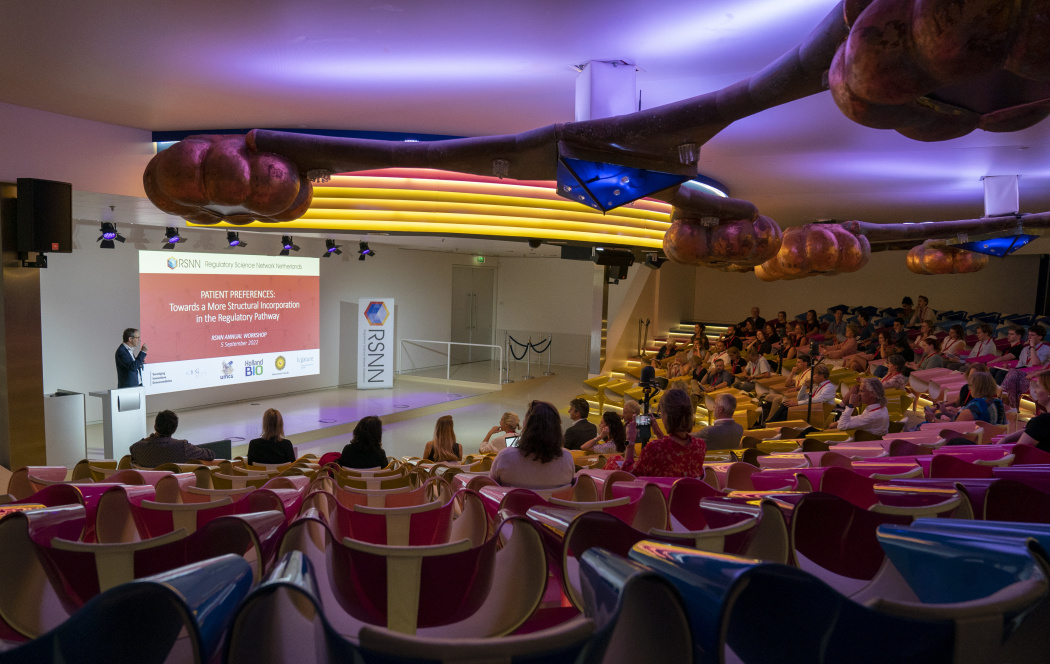
What I also really appreciate are the RSNN annual workshops and expert meetings that Lygature organizes in collaboration with the scientific committee of RSNN partners. These events offer a great opportunity to discuss complex topics, such as the future of drug development and international regulations, with a wide range of stakeholders. Lygature’s added value lies in their deep understanding of the field which ensures that they not only are responsible for organizing the meeting, but are also actively participating in selecting the right topics for discussion. One of the highlights for me was the workshop on patient preferences. It focused on the patient’s perspective and provided valuable insights into how medicines can truly make a difference in patients’ lives.
Over the years, RSNN has built a large and relevant network in the regulatory science in the Netherlands, with many partners and organizations involved. The network is a good example of how to gather various stakeholders around the table. With RSNN, I hope to continue building on this foundation for regulatory science in the Netherlands and ultimately benefit patients with our work.”