

News
Developing a pediatric formulation for schistosomiasis
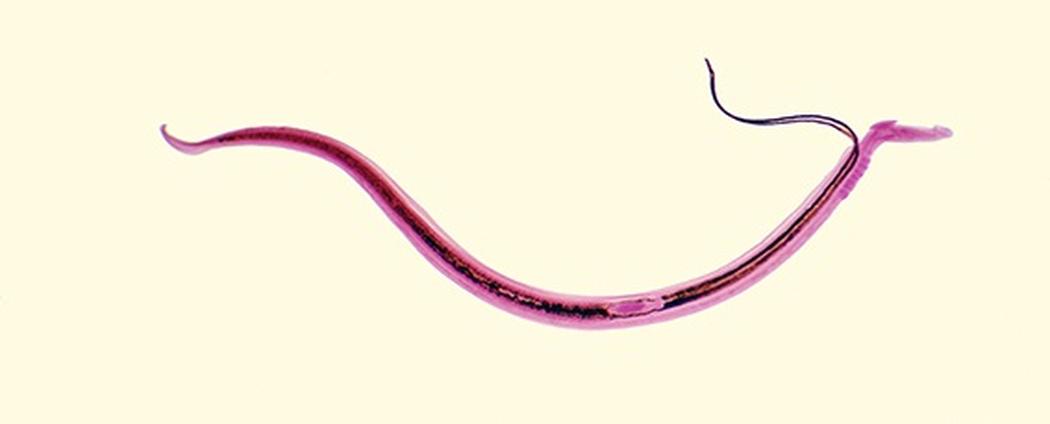
Schistosomiasis is one of the most prevalent parasitic diseases worldwide, and a very important one in terms of public health burden and economic impact. The Pediatric Praziquantel Consortium aims to reduce the global disease burden of schistosomiasis by addressing the medical need of infected preschool-age children.
Schistosomiasis affects more than 200 million people worldwide, including an estimated 28 million preschool-age children that are currently lacking adequate treatment. Left untreated, this poverty-related disease can lead to anemia, stunted growth and impaired learning ability, and chronic inflammation of the organs, which can be fatal in the most serious cases.
Drug of choice
The existing drug of choice for the treatment of schistosomiasis is praziquantel (PZQ), which was developed in the 1970s. This oral anthelmintic is currently donated through the Merck Praziquantel Donation Program via the WHO in Africa. It is safe and effective, and a tablet formulation is available for adults and school-age children but not for those below 6 years of age.
The Pediatric Praziquantel Consortium is working on a PZQ formulation suitable for preschool-age children, including infants and toddlers. This formulation aims to use small, orally disintegrating tablets, that are less bitter than the PZQ tablets available today.
The new PZQ formulation candidates
The existing PZQ formulation is a racemic mixture of levopraziquantel (L-PZQ) and dextropraziquantel (D-PZQ). Only one of these components is pharmacologically active: the L-PZQ enantiomer. Two novel PZQ formulation candidates have been developed by the Consortium: a racemic mixture (Rac-PZQ) and an enantiopure version (L-PZQ), both with improved taste properties.
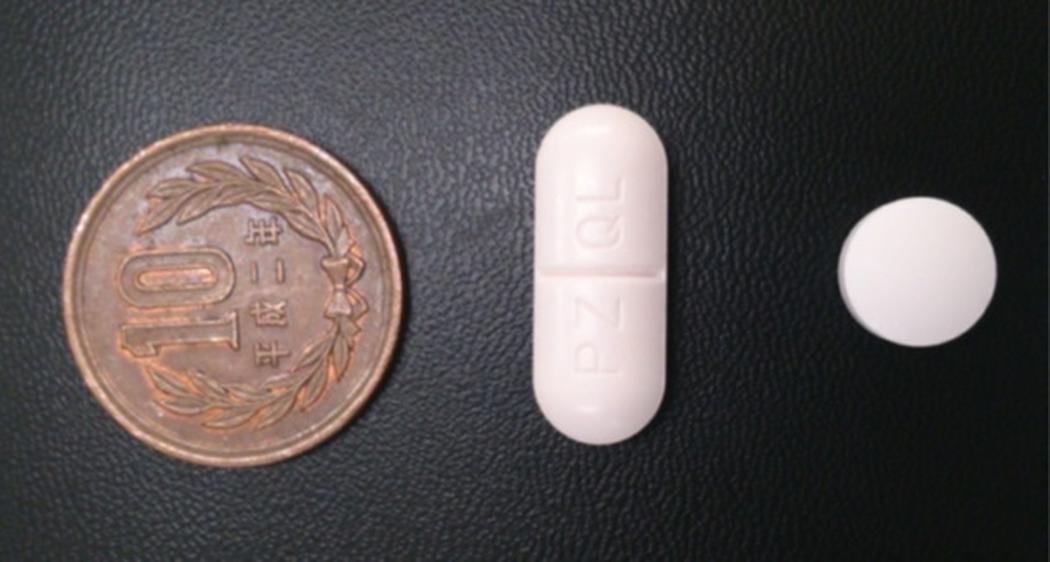
The new formulation candidate (right) is a quarter of the size of the approved praziquantel Cesol® 600 mg tablet (middle). The 10 yen coin (left) has a diameter of 2.35 cm or 0.93 inch.
Côte d’Ivoire
The Consortium’s clinical program comprises of a full Phase I-III development program, set up in line with FDA recommendations for pediatric development. It has been designed with the support of regulatory authorities and a panel of international experts, including clinicians from endemic countries.
A Phase II safety and efficacy study is currently ongoing in Côte d’Ivoire, in S. mansoni-infected children of different ages (range 3 months - 6 years). The outcome will allow the selection of the formulation (Rac-PZQ or L-PZQ) and the dose that will be included in the Phase III study, which aims to provide corroborative clinical data for registration of the new PZQ tablet formulation.
New partnership
The European & Developing Countries Clinical Trials Partnership (EDCTP) and The Global Health Innovative Technology Fund (GHIT) announced last month that they will be co-funding the Phase III clinical study conducted by the Consortium. The joint investment is the first action of a new partnership between EDCTP and GHIT, initiated to support product development research. EDCTP will be contributing €1.99 million and GHIT €3.22 million to the study consortium for a total project value of €12.10 million, including in-kind and cash contributions by all partners.
Not-for-profit
If the clinical program is successful, the Consortium aims to submit the Marketing Authorization Application end of 2019 to have the product available beginning of 2021. Once approved, the product will not be donated but made available on a not-for-profit basis. Together with National Ministries of Health, the WHO, and procurers of childhood medicines, the Consortium will examine ways of providing access to the new formulation in an affordable and sustainable manner.
For more information, please visit the Pediatric Praziquantel Consortium website.