

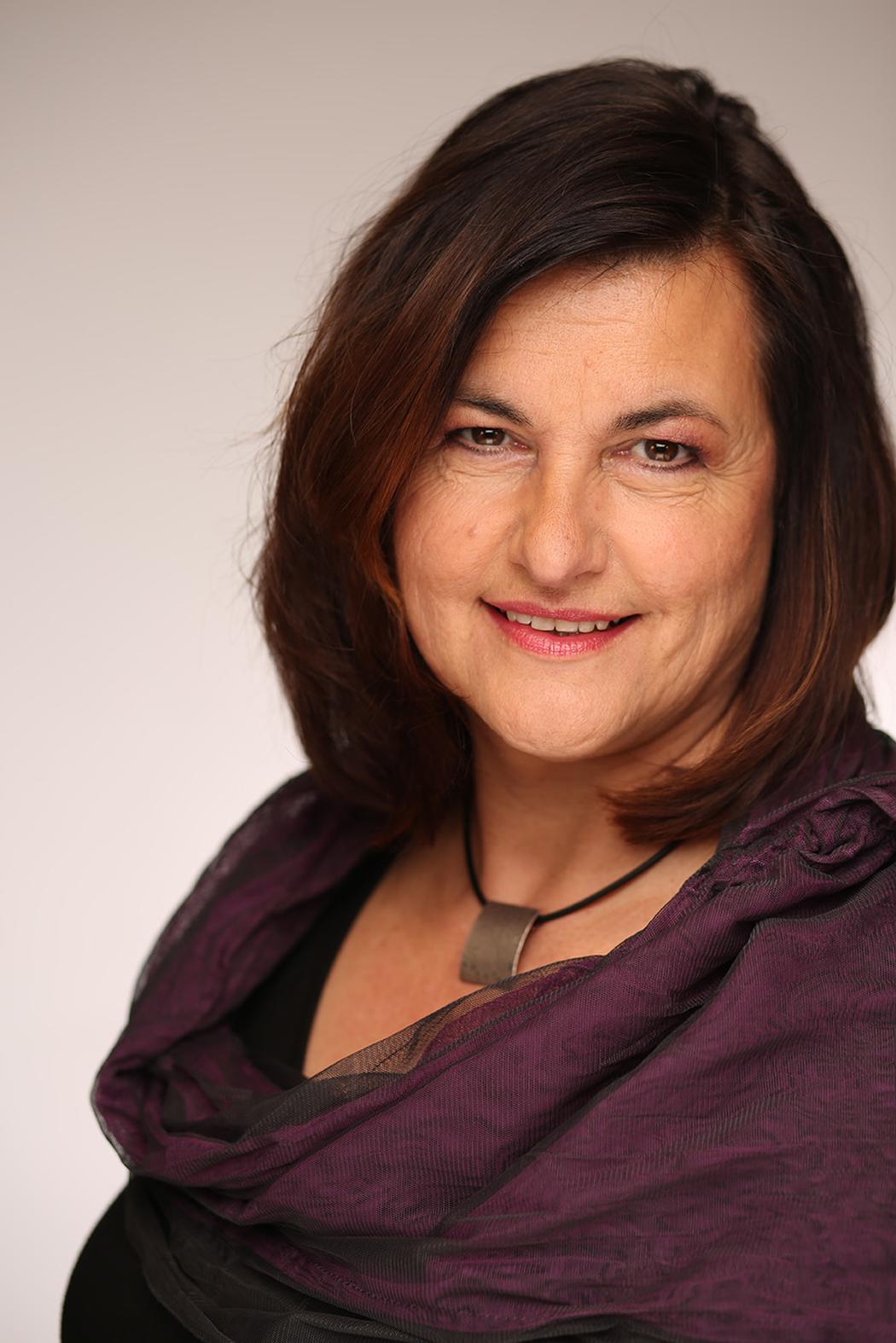
Over the past ten years, Jacquelien Noordhoek, CEO of the Dutch Cystic Fibrosis Foundation (NCFS) and President of Cystic Fibrosis Europe, has overseen a radical change in the way cystic fibrosis patients are involved in academic research. Ten years ago, cystic fibrosis patients, their carers and supporters were much needed and much appreciated fundraisers. They still are, but today they also get to vote on which research projects the NCFS should fund and which ones it shouldn’t.
“Early on, we realized there were gaps in cystic fibrosis research that patients considered to be important, notably in finding solutions to the psycho-social issues surrounding the disease, such as the negative psychological impact of segregating cystic fibrosis patients from one another to avoid opportunistic cross infections,” says Jacquelien.
It stimulated her team to start a formal program of questionnaires and focus groups, targeting patients on one side and cystic fibrosis researchers on the other. The aim was to definitively establish whether cystic fibrosis research at the time was meeting real patient needs. In addition to confirming suspected areas of mismatch, the exercise had a much greater and potentially more important effect. It kick-started the process of bringing everyone together – patients, doctors, advocate groups, researchers, and funding organizations – to openly discuss the best way forward.
Together with other Netherlands-based translational research initiatives, the NCFS approach was the start of something that has come to be known as the ‘Dutch Model’ for clinical research. One that fosters collaboration, knowledge sharing, effective program management, flexible resource allocation, and much enhanced patient engagement.
“The impact of bringing everyone together goes far beyond efficiency and better use of resources,” says Jacquelien. “I have seen laboratory research staff truly inspired by what they hear from patients, saying that it has injected new meaning into why they get up every day and go to work. And when patients are given the opportunity to learn about and get involved in setting the research agenda, it spurs on their fundraising efforts to make it happen.”
For the NCFS, patient involvement is now an integral part of the organization’s research agenda setting process. It formally solicits patients’ views, uses them to guide its calls for proposals, subjects those proposals to scrutiny by an international scientific advisory committee to assess their value, reports the results back to its patients, lets them comment on the projects and vote on which ones receive NCFS funding.
It has already executed the entire process of agenda setting twice, once in 2007, and again in 2012. Today it’s in the process of consulting the Netherlands’ cystic fibrosis patients on its 2017 and subsequent research agendas. From the previous consultation exercises, it’s already clear that patients are strongly in favour of developing better drugs to target the root causes of the disease as well as better access to drugs that have already been developed.
One example of their desire for better access to the latest treatment options is the drug Orkambi (lumacaftor-ivacaftor, Vertex Pharmaceuticals), which is currently not approved in several European countries, including the Netherlands, on the basis that its clinical benefit doesn’t justify its considerable cost.
“Despite the fact that we now have a way of assessing Orkambi’s effectiveness in individual patients by culturing a patient’s intestinal epithelium cells so that the drug’s effectiveness can be assessed in-vitro, Orkambi has been judged purely on the functional end-point of increased lung capacity, which is typically only a few percent. Yet we have reports from patients who have received the drug that it has made a massive impact on their quality of life, some stating that it has allowed them to go on holiday for the first time or even go back to work,” says Jacquelien.
She believes that their strong connection with patients puts organisations such as the NCFS in a good position to add important ‘quality-of-life’ data to the clinical data typically acquired in clinical trials, something the NCFS is now attempting to do for Orkambi. She also believes that her organization’s new role in not only funding research but also in setting the future research agenda allows it to ensure the incorporation of quality-of-life metrics in future research proposals.
She also says the advantages of the NCFS model do not stop there.
“Our success in bringing patients and researchers together has significantly expanded our network of stakeholders, not only in the Netherlands but also in other parts of Europe and beyond,” says Jacquelien. “And the more we can leverage the ideas and expertise of people wherever they are in the world, the closer we will get to our goal of achieving a longer and better life for people with cystic fibrosis.”