

News
The power of collaboration to end TB
This Sunday, 24 March, is World TB Day. As a partner of UNITE4TB, the largest public-private partnership in Tuberculosis (TB) drug development in the history of the European Union, we proudly join the call to action to raise awareness of TB.
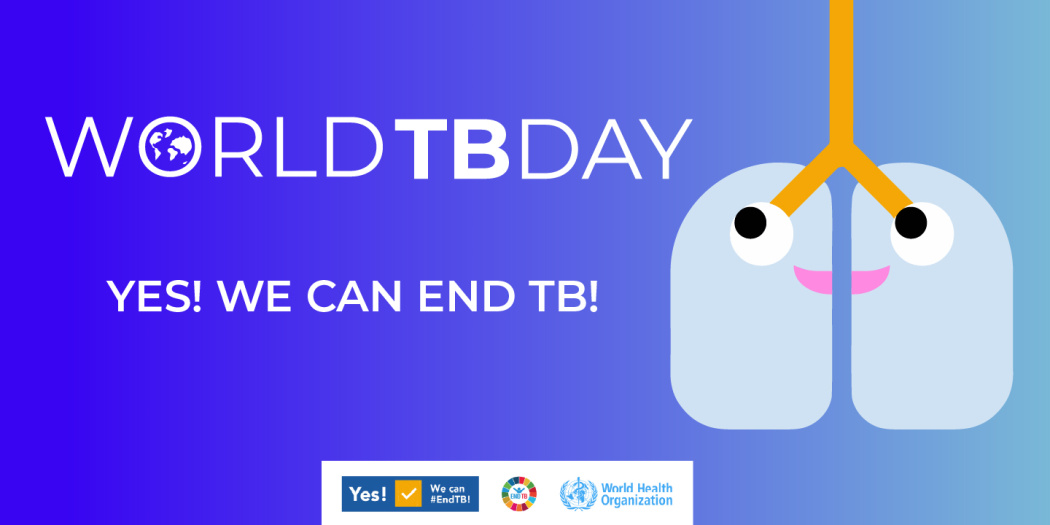
Tuberculosis (TB) continues to be a global health challenge that demands urgent solutions. UNITE4TB understands that the key to meeting this challenge is collaboration. Together with its public & private partners and affected communities, the consortium is exploring novel drug combinations, new drug candidates, and innovative approaches to clinical trials. It aims to develop better, faster treatments for people affected by TB.
With two clinical trials underway and recruitment at over 40 trial sites in 15 countries in the works, UNITE4TB is making good progress in the fight against tuberculosis.
Stakeholder perspectives on UNITE4TB
Ahead of World TB Day, three experts in the TB field were approached to comment on the importance of investing in TB research and development. Watch this new video from UNITE4TB featuring Charles Wells of the Bill & Melinda Gates Medical Research Institute, Cherise Scott of Unitaid, and Kelly Dooley of the Vanderbilt University Medical Center.
Lygature’s role in UNITE4TB
Lygature played an instrumental role in setting up UNITE4TB. Within the project, we provide overall partnership management, co-lead the privacy and ethics work, and manage all external communications.
Read more about Lygature’s involvement in UNITE4TB
Acknowledgment of support
This project has received funding from the Innovative Medicines Initiative 2 Joint Undertaking (JU) under grant agreement No 101007873. The JU receives support from the European Union’s Horizon 2020 research and innovation programme and EFPIA, Deutsches Zentrum für Infektionsforschung e. V. (DZIF), and Ludwig-Maximilians-Universität München (LMU). EFPIA/AP contribute to 50% of funding, whereas the contribution of DZIF and the LMU University Hospital Munich has been granted by the German Federal Ministry of Education and Research.
This communication reflects the author's view. Neither IMI nor the European Union, EFPIA, or any Associated Partners are responsible for any use that may be made of the information contained herein.