

News
Turning public-private research collaboration into patient care
Interview with Hans van Eenennaam, COO Aduro Biotech and co-founder BioNovion
From fundamental research results to first-in-human clinical studies in little over five years is quite an achievement, even more so in the cancer field. Especially when it involved securing EUR 4 million in seed financing for a biotech start-up that now employs around 50 highly-skilled life science researchers. Yet that’s exactly what TI Pharma (Top Institute Pharma, now Lygature*) had helped to set in motion when its ‘TNF ligands in cancer’ project came to an end in 2012. The biotech start-up spawned by the project was BioNovion, now known as Aduro Biotech Europe following its acquisition by US-based Aduro Biotech in 2015, but it’s by no means the only example of potentially game-changing translational research that came out of a public-private partnership research agenda (take a look at drug discovery company NTRC or Mirabilis Therapeutics for example).
“The unique selling point of the Dutch public-private collaboration model, as practiced by CTMM (Center for Translational Molecular Medicine) and TI Pharma, was that it was not based on one-on-one relationships. Instead, you had multiple academic groups and companies working together on a shared goal with the result that you had a lot of bright minds looking at the same problem. And while discovering innovative drugs was always the primary objective, creating start-up companies to take their development forward was an essential part of the equation,” says Hans van Eenennaam, Aduro Biotech Europe’s Chief Operational Officer and co-founder of BioNovion.
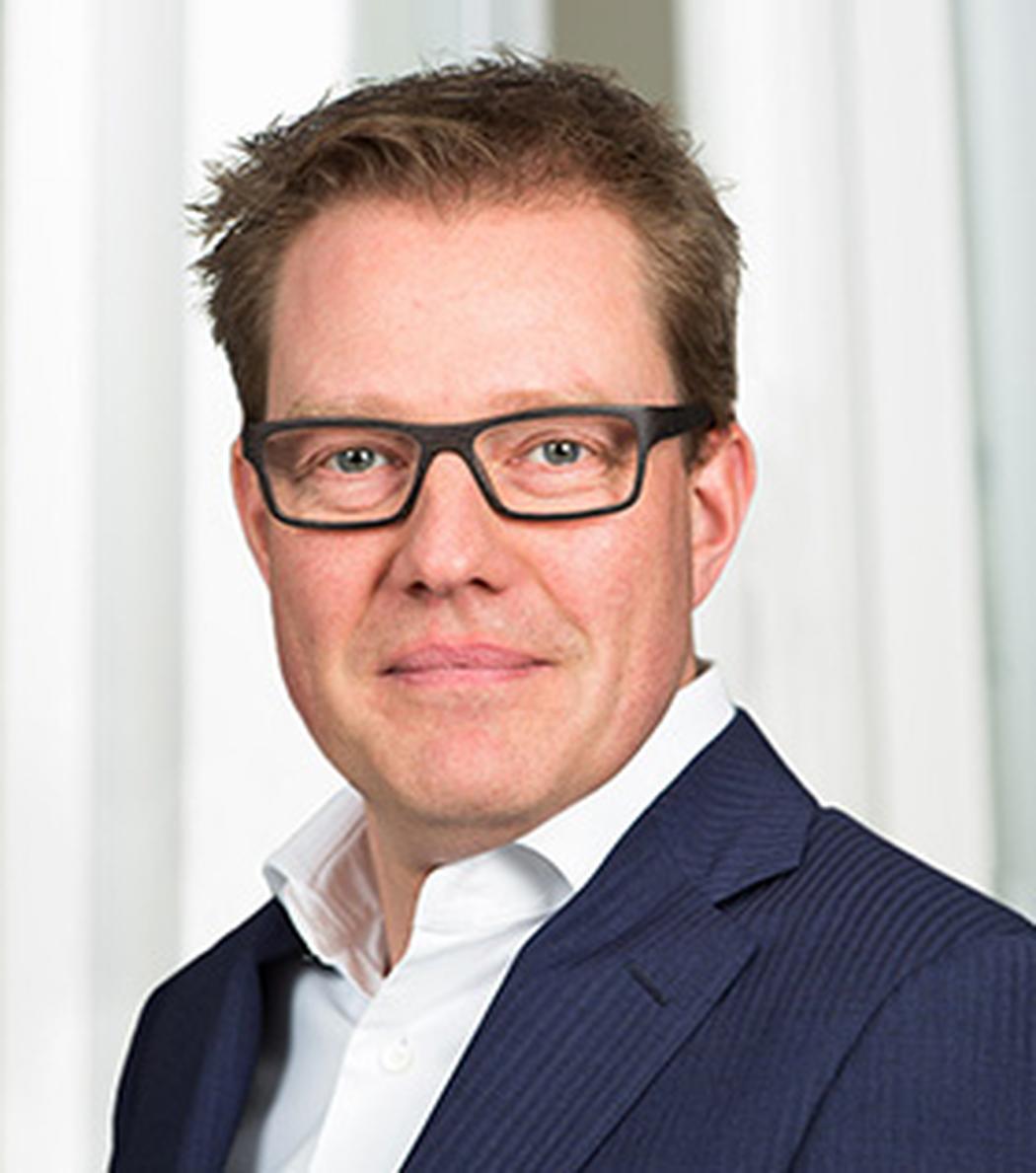
Hans van Eenennaam
The aim of the ‘TNF ligands in cancer’ project was to develop novel cancer therapeutics that target the TNF (Tumor Necrosis Factor) receptors on cancer cells to stimulate the patient’s immune system to subsequently destroy the cancer. One particular ligand of interest, known as APRIL (A PRoliferation-Inducing Ligand protein), not only acts as a growth factor for tumors, but also appears to have a role in the survival of tumor cells, especially when they are hidden in the bone marrow. With the help of an additional grant from TI Pharma of EUR 1.7 million and private venture capital of EUR 2.2 million, BioNovion was founded to advance three promising antibody programs identified in the TI Pharma project, one of which was a program to investigate the practicality of using an antibody that targets APRIL in the treatment of multiple myeloma.
“In yet another collaboration, now with the Dana-Farber Cancer Institute, we discovered that APRIL’s role in tumor cell survival was to protect tumor cells from being recognized by the immune system. And as such, we believe it is a key factor in keeping remnant tumor cells in the bone marrow alive, which could be why some patients relapse months or years after treatment with chemotherapy,” says Hans.
Strong synergies between what BioNovion was doing in its antibody programs and the clinical trial capabilities and technology platforms of US-based Aduro Biotech, further accelerated the research following the acquisition of BioNovion by Aduro in 2015 for EUR 29 million. Less than two years after the acquisition, Aduro submitted an Investigational New Drug (IND) application to the U.S. Food and Drug Administration (FDA) for its APRIL targeted Bion-1301 antibody for the treatment of patients with multiple myeloma. In October 2017, Aduro received FDA clearance for the BION-1301 IND, which means the first patients can now be enrolled.
Producing successful new biotechs was not the only thing TI Pharma achieved. Hans is keen to point out the huge educational benefits of the initiative. “If you look at our own staff, about half of our PhD corps are alumni of TI Pharma,” he says.
In terms of generating economic value and high skill employment, Aduro Biotech has already ticked two of the three important target boxes. With clinical trials of an immunotherapy agent for cancer about to be tested in humans, it may not be long before it meets the third and most important target – directly benefiting patients. Lygature, by providing comprehensive partnership management services and research tools, and by bringing together the Dutch life science community through events, such as its recent Partnerships MeetUp, is determined to continue fostering world-class collaborative translational research so that the legacy of TI Pharma and CTMM, the two organizations from which Lygature was formed, continues to create success stories for the Netherlands.
* Lygature was created from CTMM and TI Pharma to help preserve the expertise built up over many years, and to support new initiatives, including any arising from the Dutch government. Read more