Home
Partnerships MeetUp 2018
Partnerships MeetUp 2018 video report
Meeting report 2018
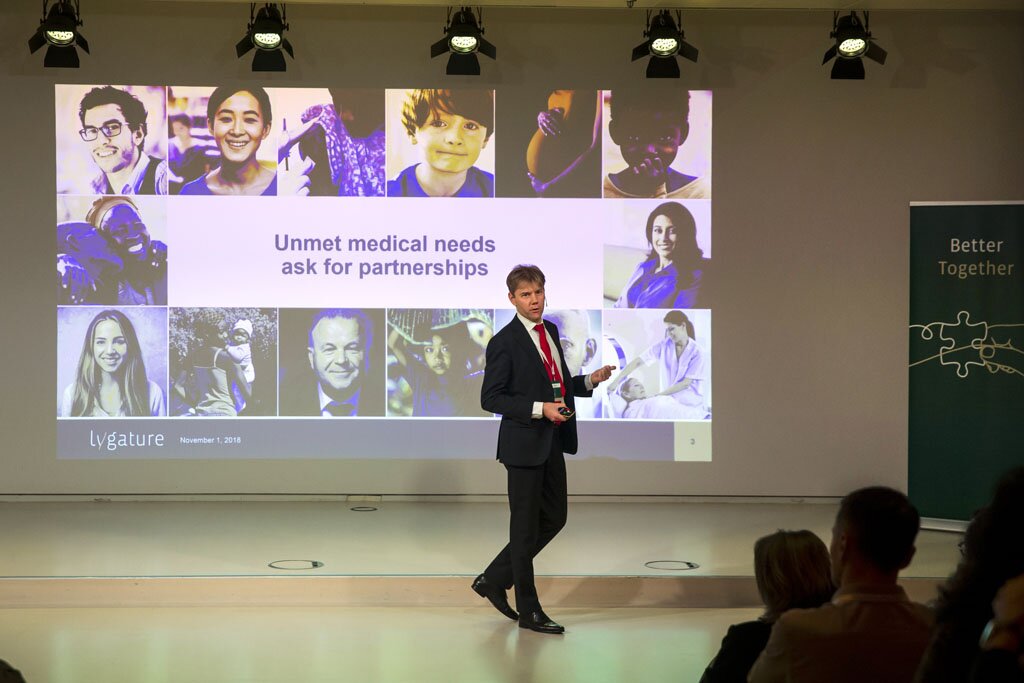
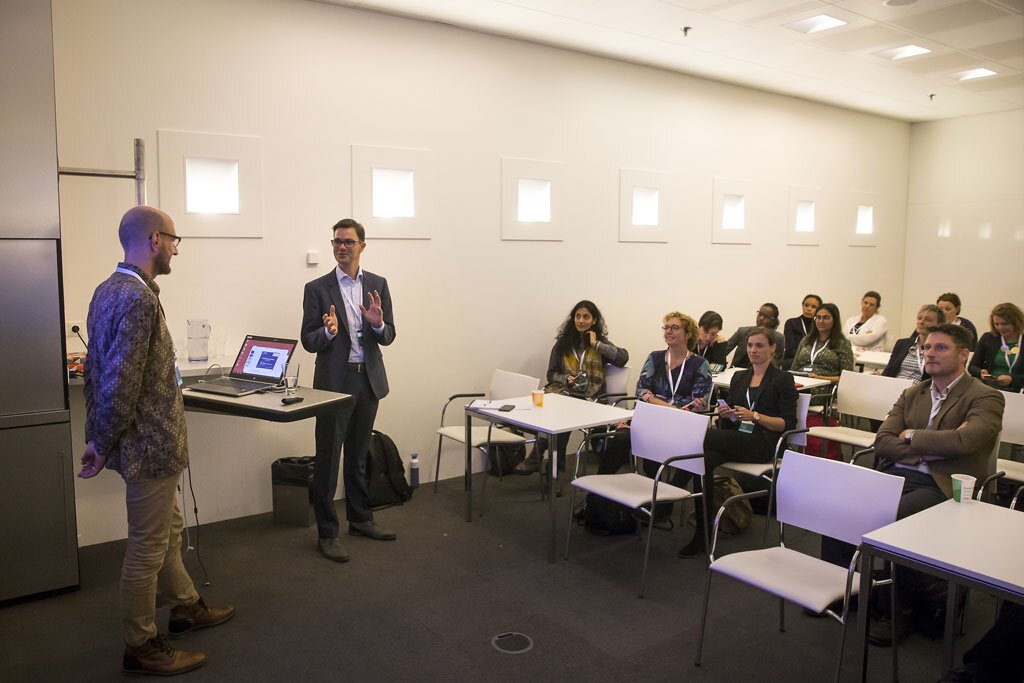
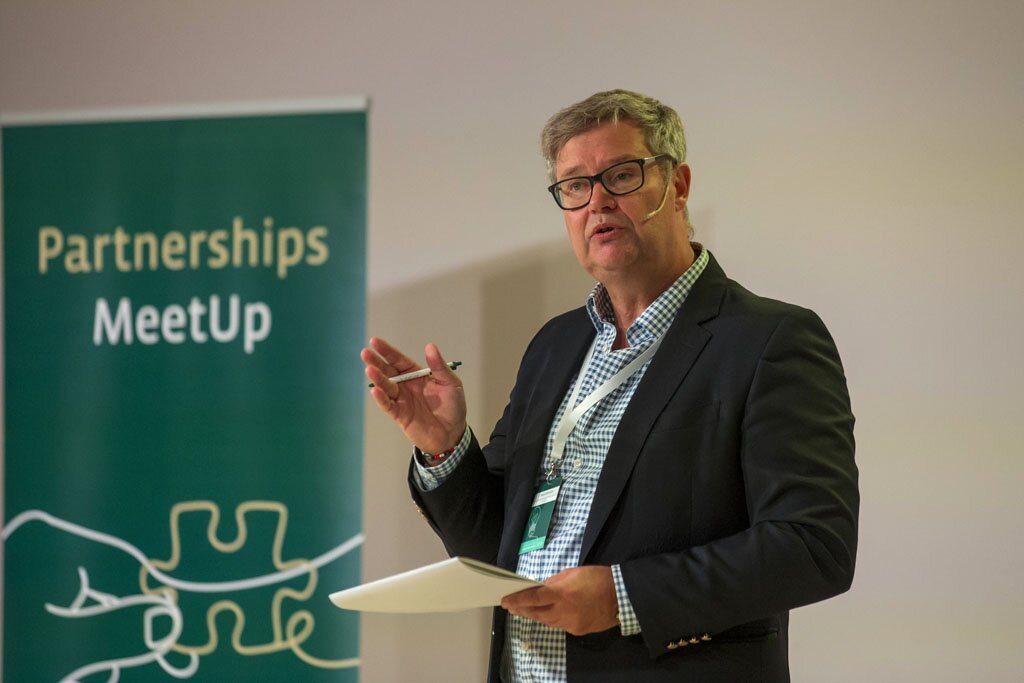
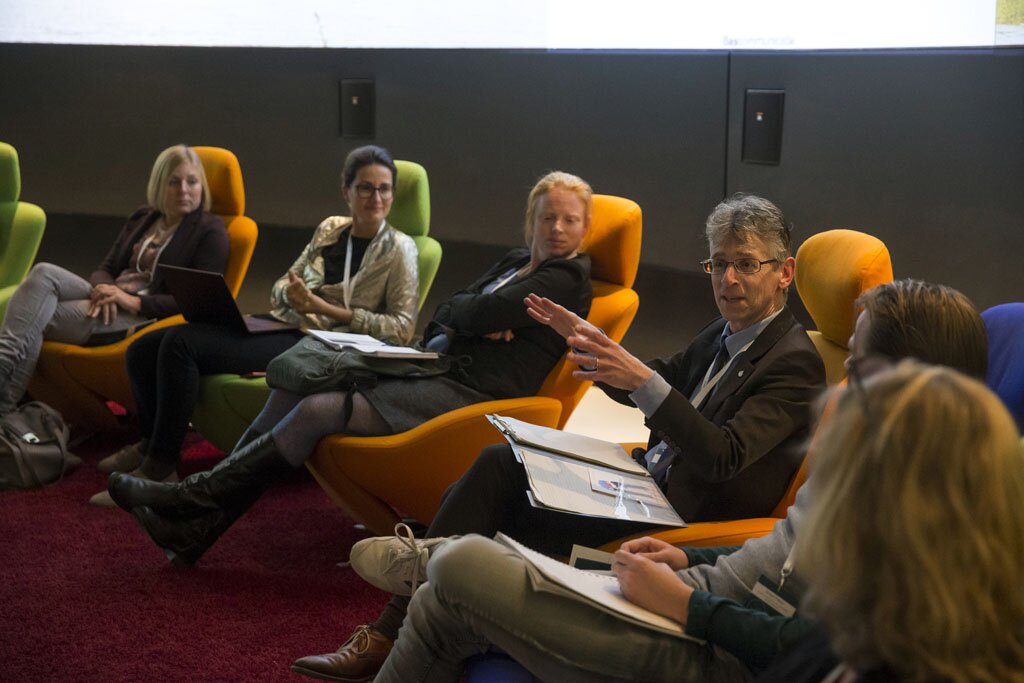
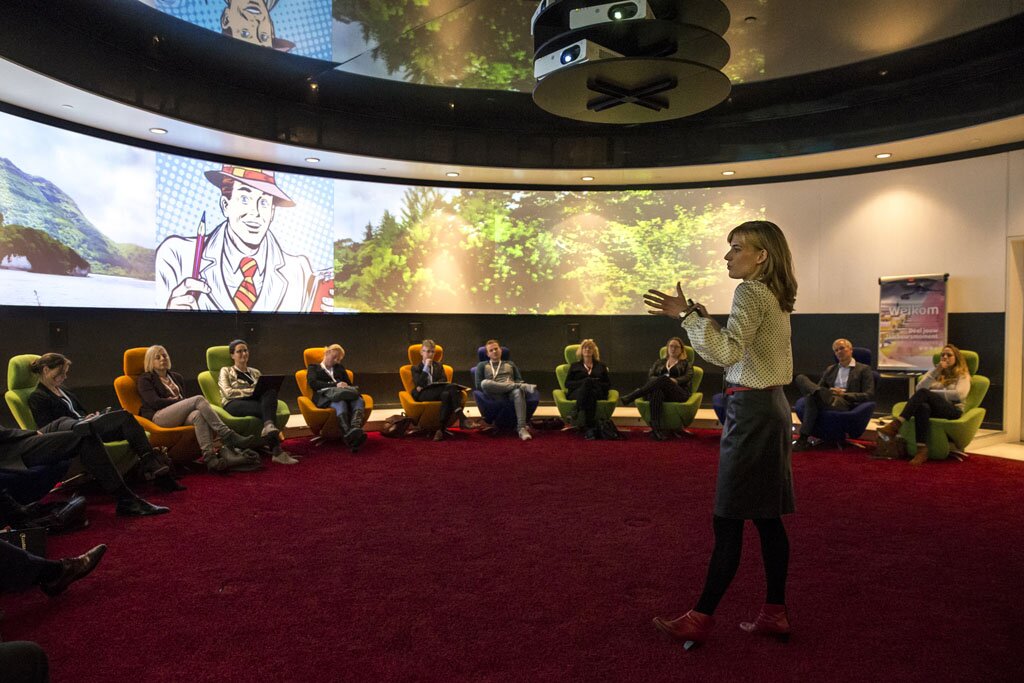
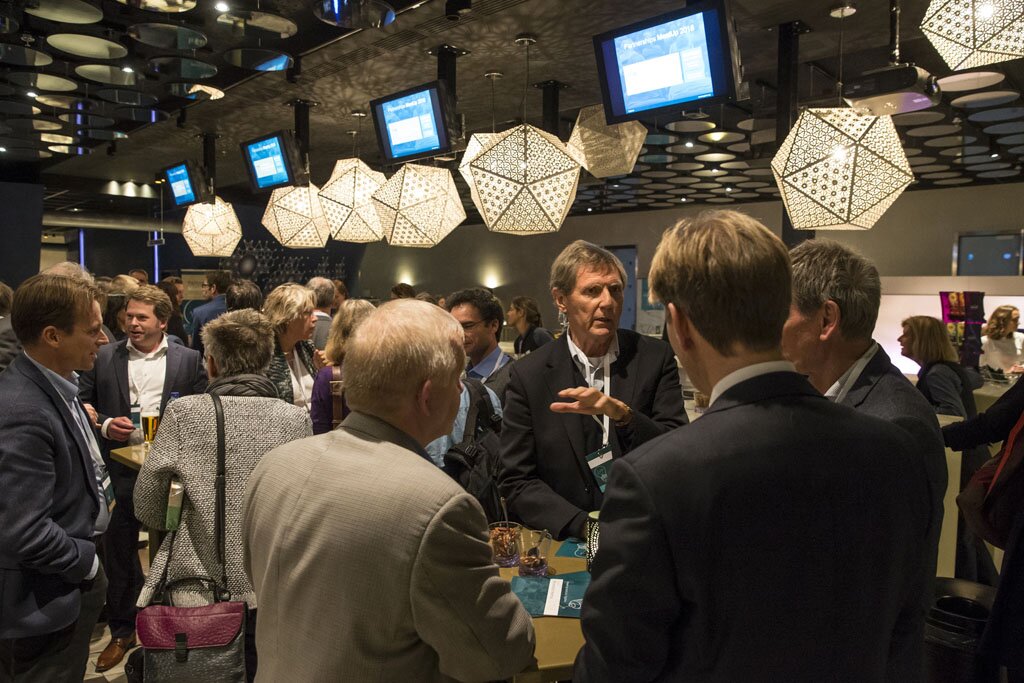
This year’s Partnerships MeetUp, which took place on November 1 at the Jaarbeurs Utrecht was opened by Lygature’s managing director Jorg Janssen with a short presentation emphasizing the important role that partnerships play in meeting unmet medical needs. Lygature, he explained, believes that there are three key ingredients to successful collaboration: a safe, open and honest environment for discussion; a mix of stakeholders; and a driving force to facilitate interaction. With its relaxed informal atmosphere, the aim of the Partnerships MeetUp is to provide that safe environment, in which participants can explore beyond the boundaries of their disciplines and connect with others to find out where opportunities for new collaborations lie.
Click here to download the program booklet with detailed information about the sessions and speakers.
Keynote speech
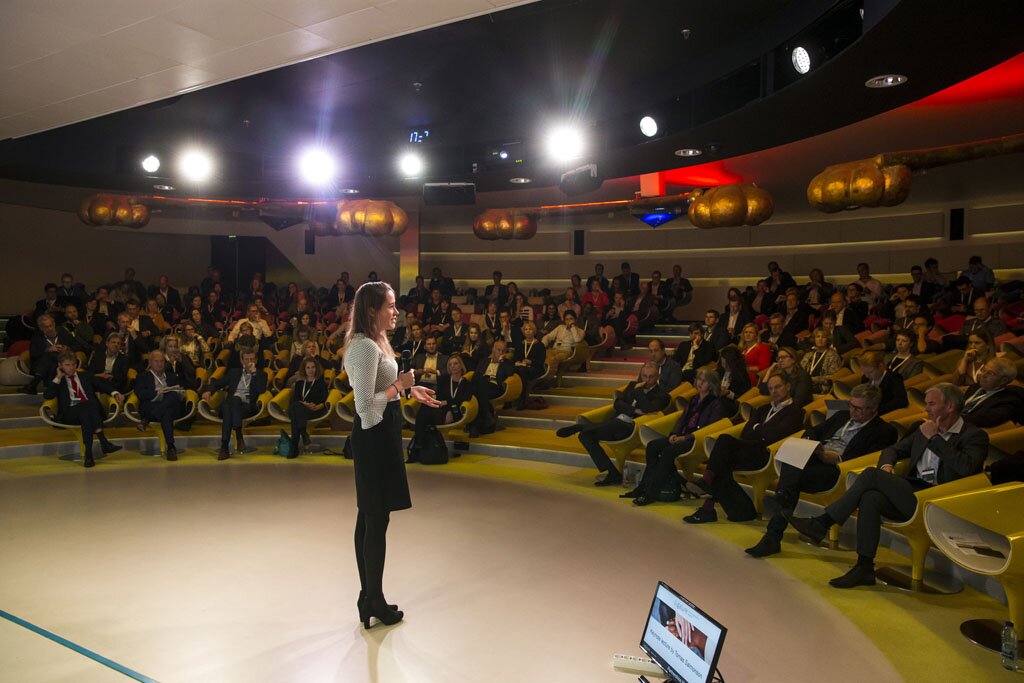
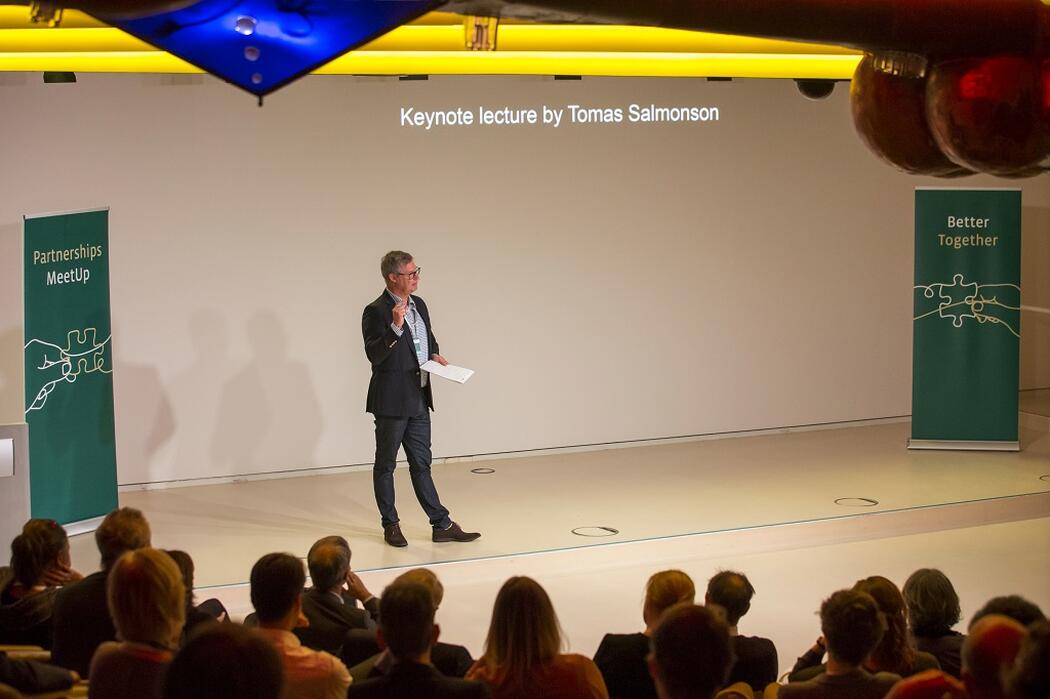
The highlight of the day was a keynote speech by Dr. Tomas Salmonson, who as former chair of the Committee for Medicinal Products for Human Use (CHMP) at the European Medicines Agency (EMA) is one of the most visible and well-known regulators of this decade. Dr. Salmonson shared his vision on the future of regulatory innovation, starting with a simple statement: “Together is the only way forward”. He explained that a lot has already been achieved by working together but also offered a warning: “We can be happy with where we are now, but if we do not move forward, we will not be happy tomorrow.”
Among the actions that were needed to move forward, Dr. Salmonson highlighted the need to establish an external control agency, and the need to think about endpoints other than purely clinical ones. With the EMA having moved to the Netherlands, he stressed that the Netherlands’ track record of building competencies from different stakeholders, and its capacity to build strong networks between stakeholders, makes the Netherlands ideally placed to provide the future leadership that is needed in regulatory innovation. He also stressed the opportunities in regulatory science for the Netherlands and Lygature, and the importance of seizing such opportunities.
Morning Parallel Sessions – Bringing Better Medical Solutions to Patients
The morning parallel sessions explored some of those opportunities under the theme of ‘Bringing Better Medical Solutions to Patients’.
Extrapolation in Regulatory Science: Smarter use of available data
The session titled ‘Extrapolation in Regulatory Science: Smarter use of available data’ explored perspectives on extrapolation in clinical drug development and regulation, health technology assessment (HTA), and clinical practice in presentations by Kit Roes (Julius Center/UMC Utrecht), Wim Goettsch (Zorginstituut Nederland) and Saskia de Wildt (RadboudUMC) respectively.
Extrapolation, it transpired, is not a new topic but in the last few years more awareness has been gained about the uncertainties that are an integral part of extrapolation. The session highlighted the fact that if stakeholders are not involved to fill the knowledge gaps, those uncertainties remain in place and shift to clinical practice. The Dutch ‘Kinderformularium’, which translates clinical evidence and knowledge in the public domain into best-evidence drug dosages for children, was cited as an example of how these uncertainties can be addressed. In HTA, it was explained that uncertainty is addressed by moving towards a life-cycle approach, for example, leveraging post-licensing data collection to establish real-world data. The session concluded that it is always necessary to be explicit about the uncertainties and to specify the data requirements needed to address those uncertainties.
Registries: Real World Challenges in Real Life Data
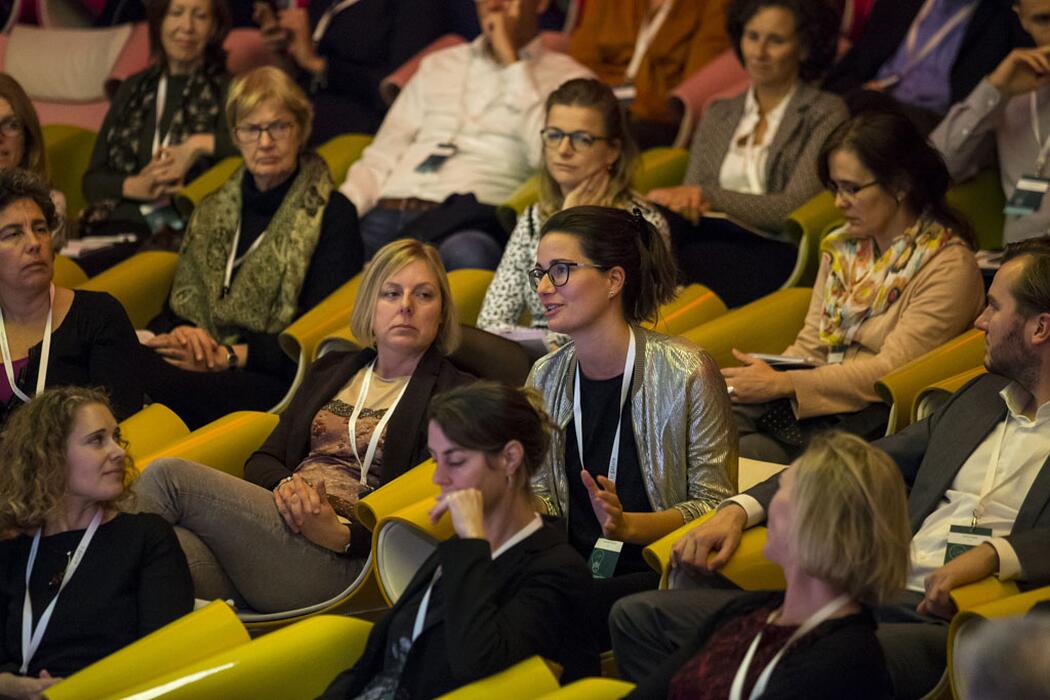
The power of real-life data was highlighted in the parallel session titled ‘Registries: Real World Challenges in Real Life Data’, in which Professor Gerrit Meijer, CSO of Health-RI, introduced the hot topic of how to optimally use available data to provide evidence for better health and healthcare. He was followed by three further speakers, Dennis van Veghel from the Netherlands Heart Registry, Jacquelien Noordhoek from the Dutch Cystic Fibrosis Registry, and Iris Nagtegaal from the Public Pathology Database (PALGA), who shared their views and showed how their respective registries are successfully creating maximum value for patients and society. They clearly illustrated the common challenges that are faced when working with real life data and provided insights into the possible solutions to overcome these challenges.
In the second half of the session, Joep Rijnierse, chair of the Real Life Data working group from the Association Innovative Medicines, generated a positive discussion about the conditions registries should adhere to in order to sustainably provide valuable sources of information. Many stakeholders present supported these conditions and agreed that, in addition to technical innovations, a nationally integrated masterplan is needed to tackle the challenges at organizational and cultural level – a national collaboration clearly involving both public and private stakeholders.
Adapting and Reshaping Medicine for an Ageing Population
The three other morning parallel sessions focused on current real-world challenges in bringing better medical solutions to patients. The session titled ‘Adapting and Reshaping Medicine for an Ageing Population’ addressed the fact that three million people in the Netherlands are already over the age of 65 years and face much greater challenges in maintaining good health than the younger population. The speakers, each of whom approached the challenges from a different angle, contributed to a valuable discussion about how the challenges could be met. Professor Sven Stegemann of Graz University of Technology provided a holistic overview of the patient experience in which key issues such as treatment adherence were addressed. Professor Eline Slagboom from Leiden University Medical Center highlighted the need for ageing biomarkers to monitor health across the life course and bring about lifestyle interventions, while Dr. Paul Jansen from the Expertise Centre for Pharmacotherapy in Old Persons (EPHOR) at UMC Utrecht provided his perspective of the difficulties general practitioners experience when prescribing medicines to patients suffering from multiple conditions and who therefore have to take multiple medicines simultaneously. Emphasis on the need to improve geriatric care was reflected in the Partnerships MeetUp keynote speech by Tomas Salmonson.
Crossing borders: moving towards One Health
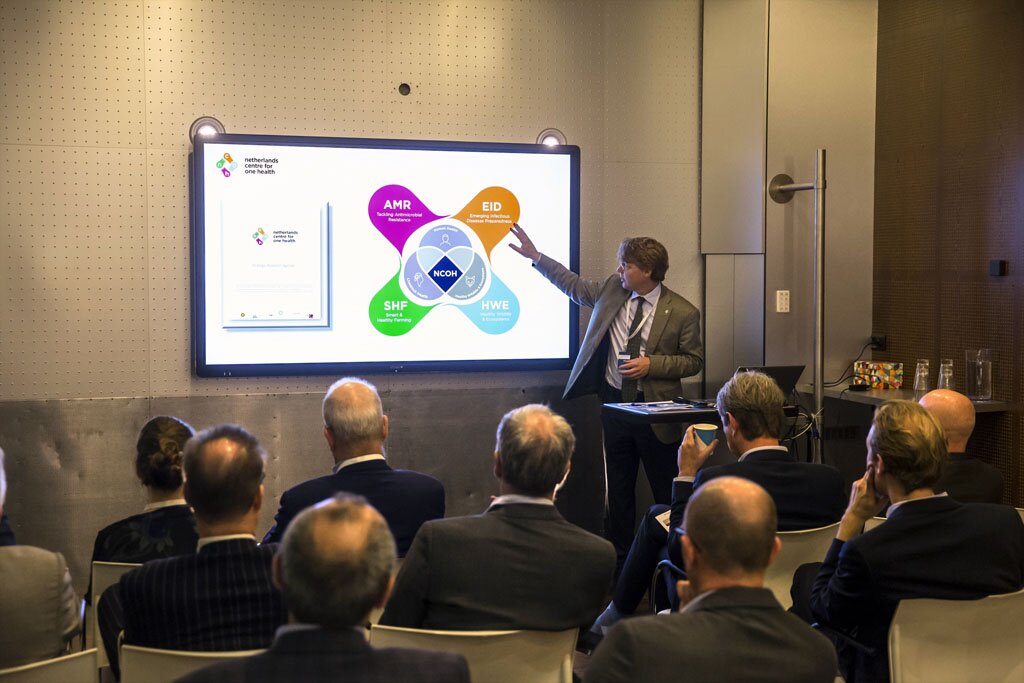
The second session focused on the ‘One Health’ approach to designing and implementing programs, policies, legislation and research in which multiple sectors – for example, the human health and veterinary sectors – communicate and work together to achieve better public health outcomes. The first part of the discussion focused on understanding the scope of One Health – notably on the position different research fields and stakeholders take and the challenges faced. The conclusion was that one of the biggest challenges is setting up effective public-private partnerships to work together on One Health research.
The second half of this session focused on antimicrobial resistance (AMR), one of the areas in which the One Health approach is particularly relevant. The enormous impact of AMR was highlighted, and solutions were discussed to steer new research initiatives in the right direction by involving academia, industry and governments globally – crossing borders to find new international funding strategies, creating new public and private partnerships, and bridging different scientific disciplines.
Addressing the Needs of Poverty-Related Disease patients: Global Partnerships with a “Dutch twist”
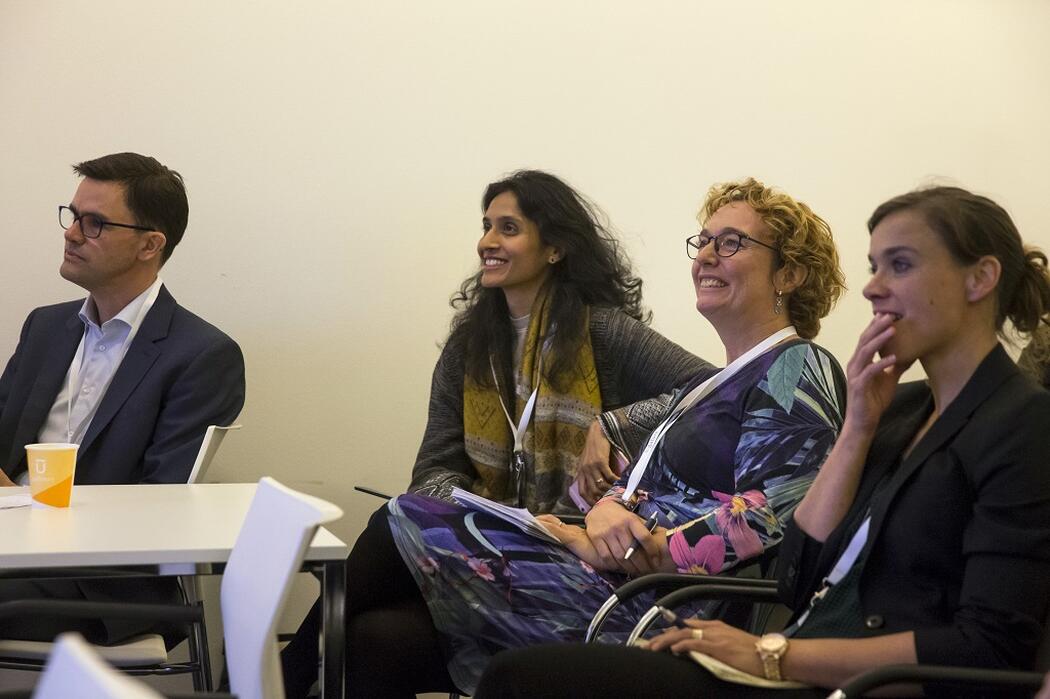
The last session of the morning focused on the specific needs of poverty-related disease patients and the central role the Netherlands plays in R&D on neglected tropical diseases, which account for most of these patients. All four speakers, Remko van Leeuwen from Amsterdam Institute for Global Health and Development (AIGHD), Danielle Roordink from the Tuberculosis Vaccine Initiative (TBVI), Sake de Vlas from Erasmus University Medical Center, and Remco de Vrueh from the Pediatric Praziquantel Consortium, made it clear that developing therapeutic interventions, such as drugs or vaccines, is crucial but only one piece of a bigger puzzle. They emphasized that these efforts should be accompanied by programs and partnerships targeting health education, appropriate point-of-care diagnostics, proper hygiene, healthcare systems, etc. The conclusion drawn was that targeting the needs of patients with neglected tropical diseases, including tuberculosis and malaria, requires an integrated multidisciplinary approach to really make an impact.
Afternoon Parallel Sessions – Essentials for Successful Collaborative Innovation
With the morning sessions highlighting the importance of collaboration in bringing better solutions for patients, the afternoon sessions, which followed the keynote speech from Dr. Tomas Salmonson described earlier, focused on what is needed to create effective collaborations under the theme ‘Essentials for Successful Collaborative Innovation’
Post-innovation Innovation: Platforms for Drug Repurposing
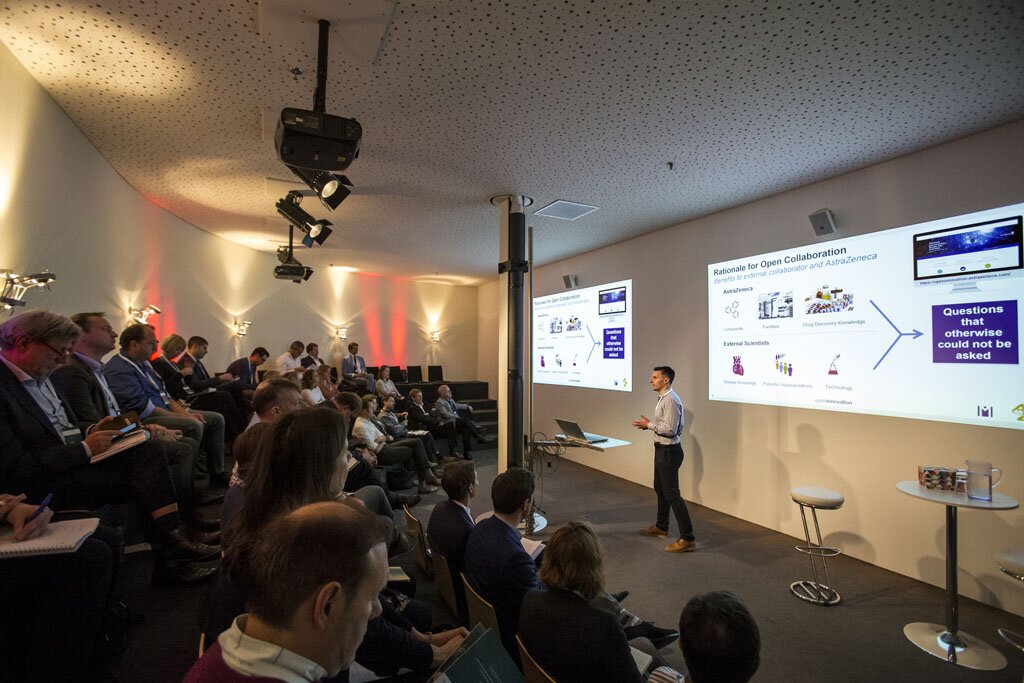
The first session discussed the necessary conditions for breathing new life into old or dormant drug (development) compounds. Speakers from different types of organization – Adrian Freeman from pharma company AstraZeneca, Jean-Pierre Paccaud from the Global Antibiotic R&D Partnership (GARDP), Vincent van der Wel from the not-for-profit Fair Medicine Foundation, and Joris Langedijk from the Brabers Corporate Counsel consultancy – presented different models for drug repurposing. The many case studies they presented highlighted the fact that repurposing can provide a shortcut to meeting medical needs, and that this ‘post-innovation’ innovation can be realized in many different ways – from purely serendipitous to rational strategic data mining. However, it was also concluded that cost and effort of doing so are often underestimated, and that successful repurposing relies on legal, financial and regulatory frameworks and on sufficient funding for new (pre)clinical studies.
Why, How and What you Win when you Involve Patients
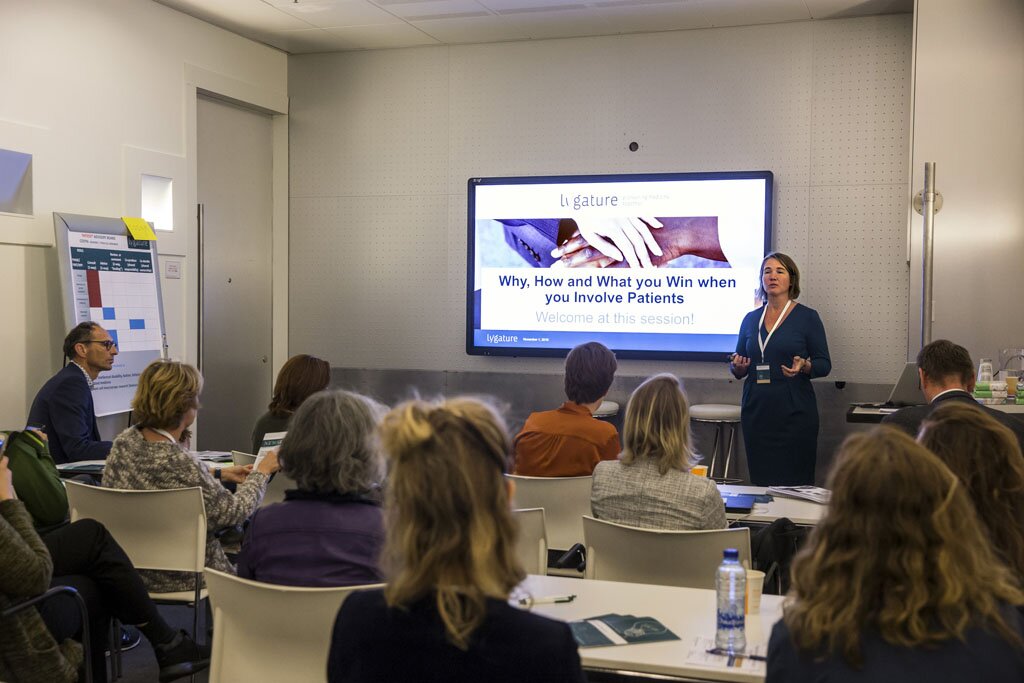
Another parallel session, moderated by senior advisor at PGOsupport Annemiek van Rensen, focused on the benefits of involving patients in setting research agendas by answering three simple questions: why do you win, how do you win, and what do you win?
According to speakers Jane Taylor and Harrie Weinans from the Innovative Medicines Initiative (IMI) APPROACH project, why you win is because patients can add valuable knowledge, experience and perspectives to research projects.
How you win, they explained, is by acknowledging the different roles patients can fulfill, such as advising, reviewing or co-producing research agendas and project proposals.
And finally, they explained that what you win is greater participation in clinical trials through more patient-friendly clinical protocols and better patient information – for example, newsletters written by and for patients or discussions based on individual patient experiences that create focus and thereby increase the impact of the research.
Consortia Branding: How to Connect to Stakeholders?
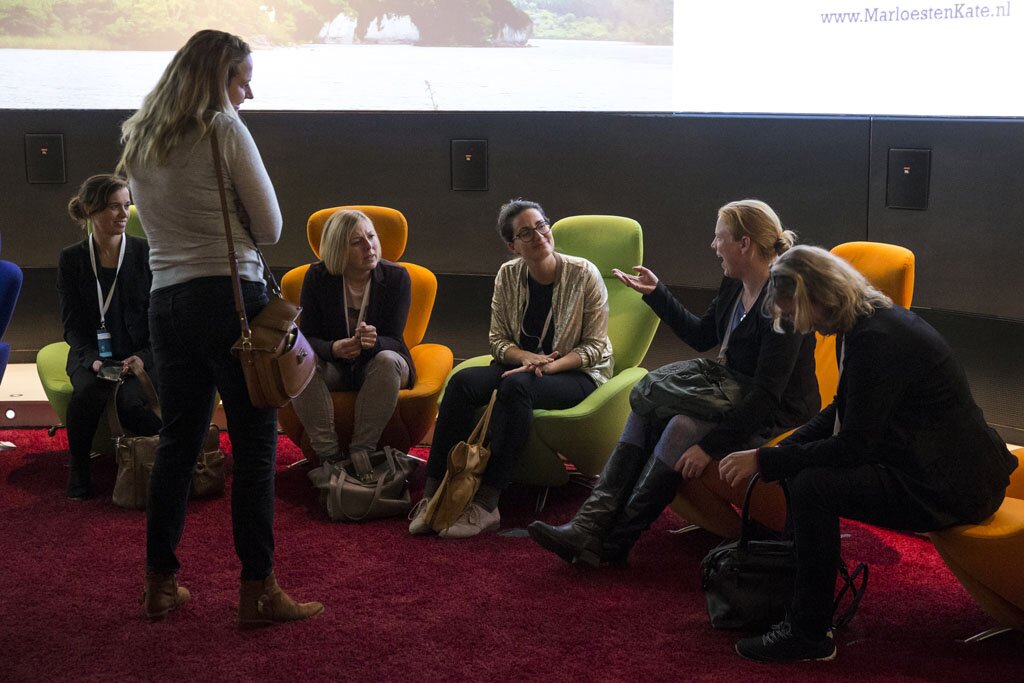
In relation to creating exposure and creating impact, a parallel workshop session presented by media communications expert Bas Douma and science journalist and presenter Marloes ten Kate, provided useful tips on consortia branding and connecting to stakeholders. They highlighted the fact that most research consortia are temporary in nature, yet to have the greatest impact they need to be properly defined and widely recognized. The workshop focused on what research consortia can learn from marketing: how can you give something as complex as a consortium real-world meaning. Bas Douma’s biggest tip was to focus on creating awareness, not by relying solely on communications people, but by getting researchers and scientists actively involved in making consortia visible. Marloes ten Kate contributed useful tips on how to do this, explaining that to get your message across, you need emotion as the vehicle for your facts, and that a good story needs to have a main character, a problem and a solution. Most scientists are not used to thinking about their research this way, but getting them actively involved in communicating a research consortium’s goals will certainly help to get journalists and other stakeholders interested.
The other two sessions in the afternoon focused on two essentials for successful collaborative innovation, the first on data collection and privacy and the second on partnership strategies for affordable and accessible healthcare.
Conflicting? Big Data and Privacy
In the session on data collection and privacy, moderated by Nico van Meeteren from Health~Holland, presenter Martijn van Oijen from Amsterdam UMC highlighted the potential value and shortcomings of using ‘Big Data’, collected via patient reported symptom monitoring, wearable devices and social media. One conclusion was that social media is a valuable source for identifying signals at population level, which could trigger ideas for setting up studies and give caregivers greater insight into how patients experience a particular disease.
Birgit Wouters from Maastricht University went on to explain the foundations of the General Data Protection Regulation (GDPR) and the issues and consequences surrounding Big Data based research and protection of the data subject’s privacy. Acknowledging that guaranteeing privacy is essentially impossible with all available data, Birgit proposed that personal data should be collected based on a contract (confidentiality) basis rather than on consent (privacy) basis.
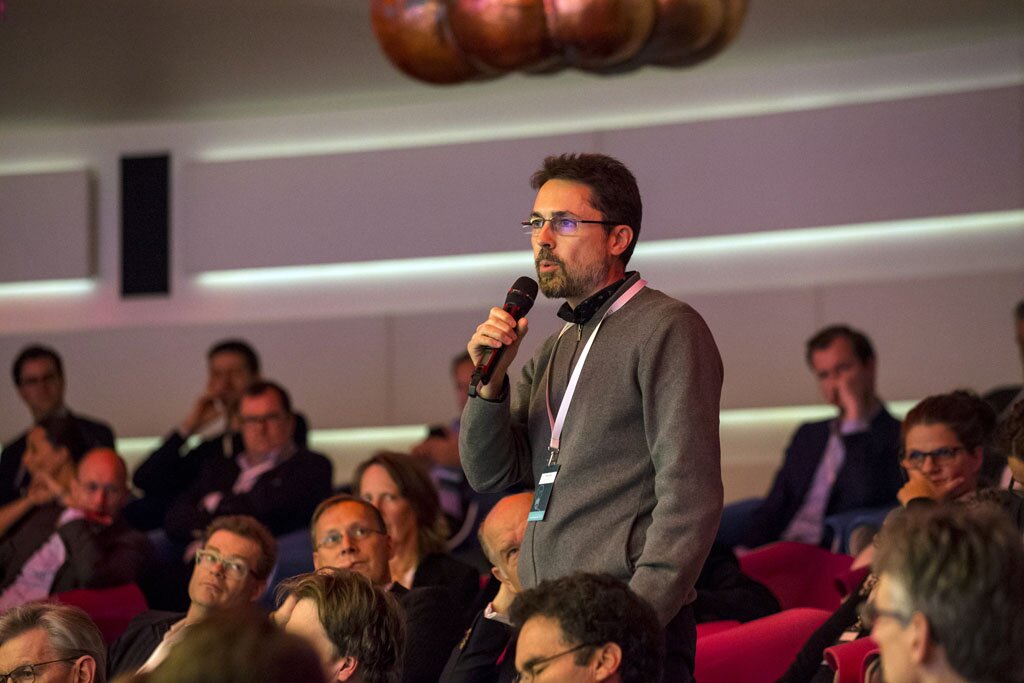
The audience was polled on their opinions about Big Data and data privacy before and after the discussion, with several changes of opinion triggering a lively follow-on discussion. Everyone agreed that big data should be used in health research, but regarding the use of personal data, the consensus was that the benefit-risk ratio should be evaluated.
Partnership Strategies towards Affordable and Accessible Healthcare
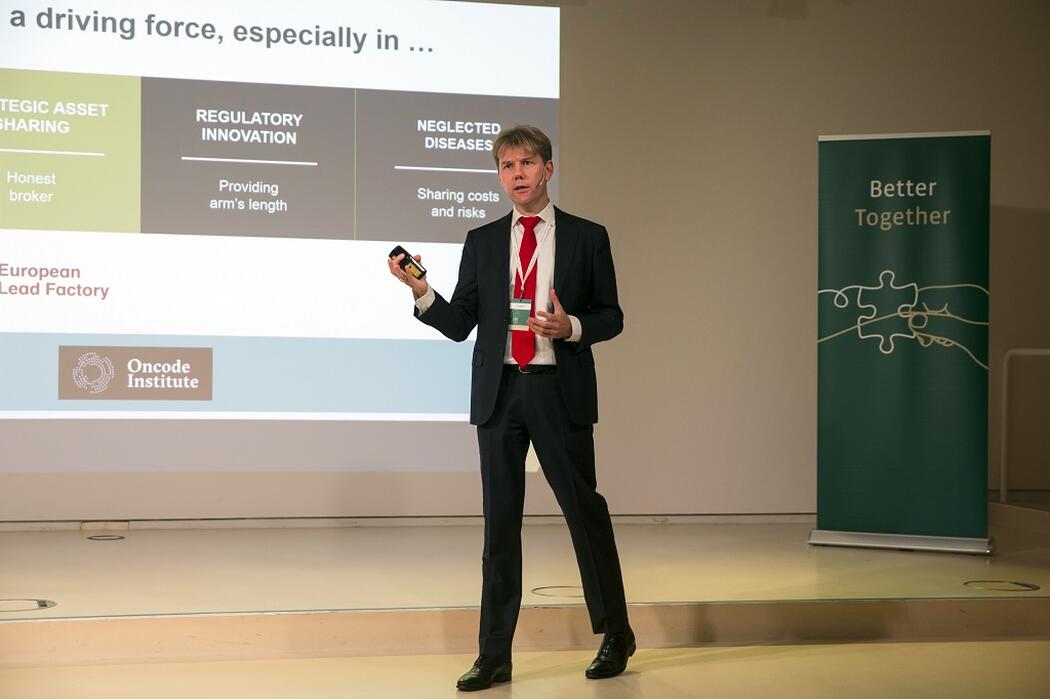
In the session on partnership strategies for affordable and accessible healthcare, Lygature board member Michel Rudolphie outlined the challenge of finding new (business) models that strike a balance between innovation and costs when developing new medicines. Representatives from four initiatives – Jon de Vlieger representing the European Lead Factory, Hans Büller representing the FAIR Medicine initiative, Irene Kanter-Schlifke representing the Oncode Institute, and Netty Dorrestijn representing the Utrecht Center for Affordable Biotherapeutics – shared their own ways of involving all relevant stakeholders in a public-private initiative at different stages of the drug discovery and development phase. Current best practices were shared during the session, with a ‘helicopter view’ discussion suggesting areas for alignment and collaboration.
The general conclusion was that a greater number of innovative partnerships were needed, but each one is now an experiment in itself with the solution, if there is one, yet to be found. It was agreed that transparent, evidence-based constructive dialogue is an essential element for success, allowing the community to further explore ways of leveraging investments already made in fundamental and translational science by public and private partners for the benefit of population health and economic growth.
Closing Remarks
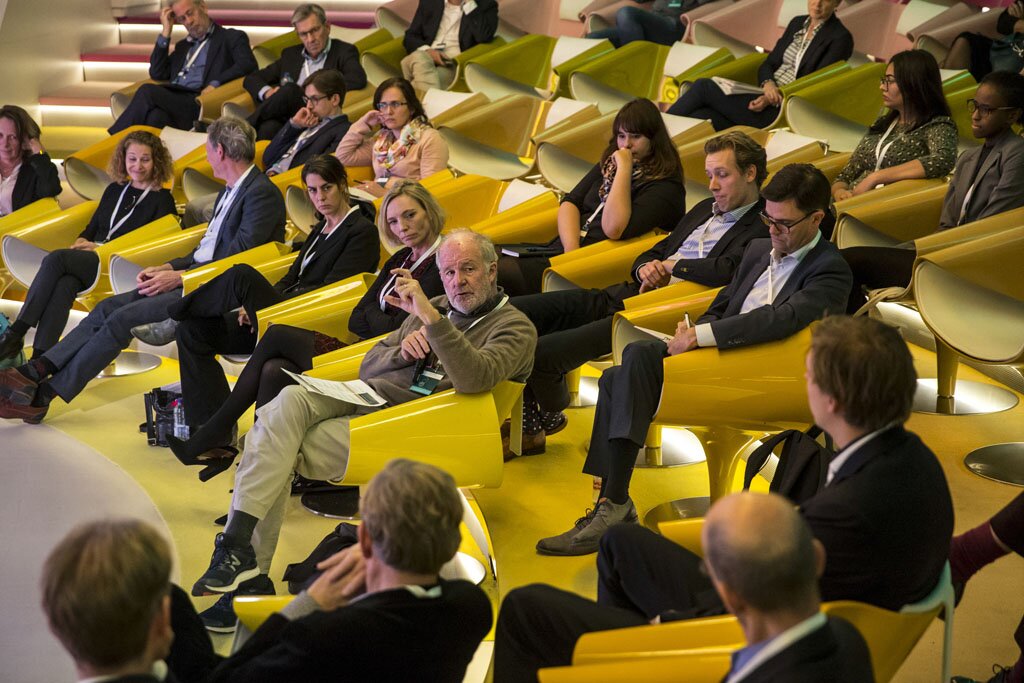
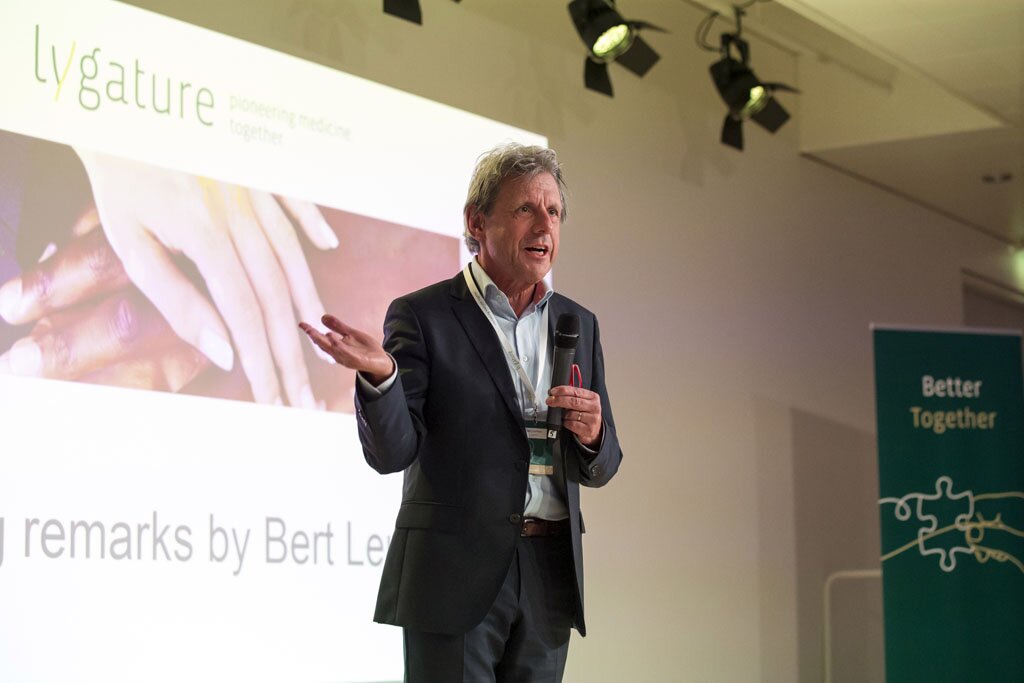
With all the parallel sessions very well attended, many to maximum capacity, everyone came together to listen to a closing speech by Lygature’s Scientific Leadership Team member Bert Leufkens. Summing up the day, he proposed that healthcare and medicine development require a collaborative multidisciplinary approach, exemplified by the activities of Lygature and the Partnerships MeetUp itself. He highlighted that every session and speech had talked about the need to cross the borders between disciplines and stimulate opportunities for collaboration. The Partnerships MeetUp had, he said, successfully provided the safe environment of open and informal discussion that it aimed to create, because what was apparent throughout the day was the open-mindedness of the participants and their willingness to respect and understand each other’s views.
Citing Lygature’s project portfolio, he explained that bringing disciplines together definitely works, and that organizations like Lygature are a driving force for building trust and facilitating collaboration between stakeholders. Multidisciplinary collaboration is at the heart of Lygature, he said, and the Partnerships MeetUp clearly demonstrates that Lygature is successful in making partnerships work.
Program
09.00 Walk-in and coffee
09.30 Opening by Jorg Janssen (plenary)
10.00 Opportunities for Bringing Better Medical Solutions to Patients (parallel)
-
Extrapolation in Regulatory Science: Smarter use of available data
Chair: Bert Leufkens, Lygature; Utrecht University, Professor of Pharmaceutical Policy and Regulatory Science
In the coming decades, so-called precision treatments aimed at relatively small and well-defined patient populations will impact current methods of data collection. This will, on the one hand, increase the need for extrapolation to different patient populations, clinical settings or development stages and, on the other hand, allow for more refined extrapolation methods that exploit available data more effectively.
These new extrapolation methods may play an important role in approaches for regulatory assessments, Health Technology Assessments (HTA) and clinical use. In this session we will explore the perspectives and experiences from different stakeholders on how extrapolation in clinical drug development, regulation, HTA and clinical practice is currently applied, and which challenges we may face with regard to acceptance of novel methods for extrapolation.
Confirmed Speakers
- Kit Roes, Julius Center, UMC Utrecht, Professor Clinical Trial Methodology
- Wim Goettsch, Zorginstituut Nederland
- Saskia de Wildt, Radboud UMC, Nijmegen, Paediatric Intensivist and Professor of Clinical Pharmacology
-
Registries: Real World Challenges in Real Life Data
Systematic recording of disease outcomes in registries, including the effect of interventions, is crucial, in order to evaluate, improve and accelerate innovations in healthcare, as an important step towards a learning healthcare system.
Working with these real-life data is challenging, however. Collecting the data creates a major administrative burden on healthcare professionals; the multitude of different registries hampers integration; lack of standardization challenges interoperability; and sustainability is often an issue.
Tackling these real-world challenges demands a collaborative effort at the technical, organizational and social level, which we will discuss in this session. This session is co-organized by the working group Real Life Data, from Association Innovative Medicines.
Speakers
- Dennis van Veghel, Netherlands Heart Registry
- Iris Nagtegaal, Radboudumc
- Jacquelien Noordhoek, Netherlands Cystic Fibrosis Foundation
-
Adapting and Reshaping Medicine for an Ageing Population
Advances in technology and medicines have constantly increased our life expectancy over the past century. By 2050, it is expected that almost 28% of Europe’s population will be over 65 years of age. Unfortunately, age comes at a cost, as chronic diseases related to advancing age become increasingly prevalent. Aging is the single largest risk factor for stroke, heart attacks, cancers, diabetes, and most other chronic diseases.
Older people face a multitude of challenges when maintaining their health. For example, they are more vulnerable to infectious diseases because their immune systems become weaker with age. Frail, elderly patients are often multimorbid, and are faced with polypharmacy problems. Moreover, older patients are known to be less responsive to drug treatments, chemotherapies, and organ or stem cell transplantation. In order to meet the needs of this important group of patients, our current practices need to be adapted and reshaped so that they also consider the frail and aging population.
How can we adjust our current practices to meet the needs of the elderly? Drug discovery and development, as well as the approval and use of medicines, need to become age appropriate. This challenge can only be addressed using a multidisciplinary and holistic approach, with all different stakeholders involved.
Speakers
- Prof. Eline Slagboom – Leiden UMC, chair of the LUMC Medical Research Profile on Ageing and of the Dutch Society for Research on Ageing
- Dr. Paul Jansen, UMC Utrecht, Ephor (Expertisecentrum PHarmacotherapie bij OudeRen)
- Prof. Sven Stegemann, President Geriatric Medicine Society, Professor for Patient Centric Drug Development and Manufacturing at Graz University of Technology
Session 3 has been fully booked, it is no longer to register for this session
-
Crossing borders: Moving Towards One Health
Bridging the gaps between human, animal, and environmental health sciences is a prerequisite for achieving the concept of “One Health”, a worldwide strategy to expand and implement interdisciplinary knowledge resulting in a healthier society. The goals of One Health are to increase the worldwide knowledgebase on prevention and surveillance of disease transmission and spread, merge medical and environmental research, facilitate and promote educational initiatives, develop cross-species diagnostic and treatment methods, and liaise with governments and policy makers to implement sustainable changes to our healthcare and ecosystem management.
In this session, we will cover emerging topics in the field of One Health, with a focus on the underlying collaborative efforts to be made in the years to come. We invite all stakeholders in this field to join the debate on barriers and opportunities for successful collaborations between academia, pharma, and governmental bodies, in order to tackle this worldwide effort jointly.
Speakers
- Freek van Muiswinkel, Director External Affairs Utrecht Life Sciences; Cluster manager Life Sciences & Health, Economic Board Utrecht
- Wim van der Poel, Professor of Emerging and Zoonotic Viruses and Global One Health, Wageningen Bioveterinary Research, Department of Virology (Wageningen University and Research)
- Constance Schultsz, Professor of Global Health, Department of Global Health-AIGHD and Department of Medical Microbiology (Amsterdam UMC)
- Lucas Wiarda, Business Unit Director and Head of the Sustainable Antibiotics Program (DSM Sinochem Pharmaceuticals)
-
Addressing the Needs of Poverty-Related Disease patients: Global Partnerships with a “Dutch twist”
For many poverty-related disease (PRD) patients in low and middle-income countries, preventive or curative treatment for diseases such as schistosomiasis and tuberculosis remains absent and/or inaccessible. Even if therapy is available, timely treatment is often difficult, because sensitive, rapid and cost-effective diagnostic tools are sadly lacking. Partnerships, both public-private and public-public, have proved to be a key mechanism in developing and delivering the necessary interventions and diagnostic tools with the potential to reduce the global burden of PRDs, from the individual patient to the endemic country level. These so-called ‘product-development partnerships’ are complemented by specific partnerships that provide the necessary operational and modelling research to ensure the effectiveness and impact of these interventions.
This meeting will allow you to gain valuable insights into four of these global partnerships. Presented by Dutch partners, it provides an opportunity to learn more about their involvement and how they became part of these partnerships.
Confirmed Speakers
- Remko van Leeuwen (AIGHD): HOOKVAC Consortium
- Danielle Roordink (TBVI): Tuberculosis Vaccine Initiative
- Sake de Vlas (Erasmus University Medical Center): NTD Modelling Consortium
- Remco de Vrueh (Lygature): Pediatric Praziquantel Consortium
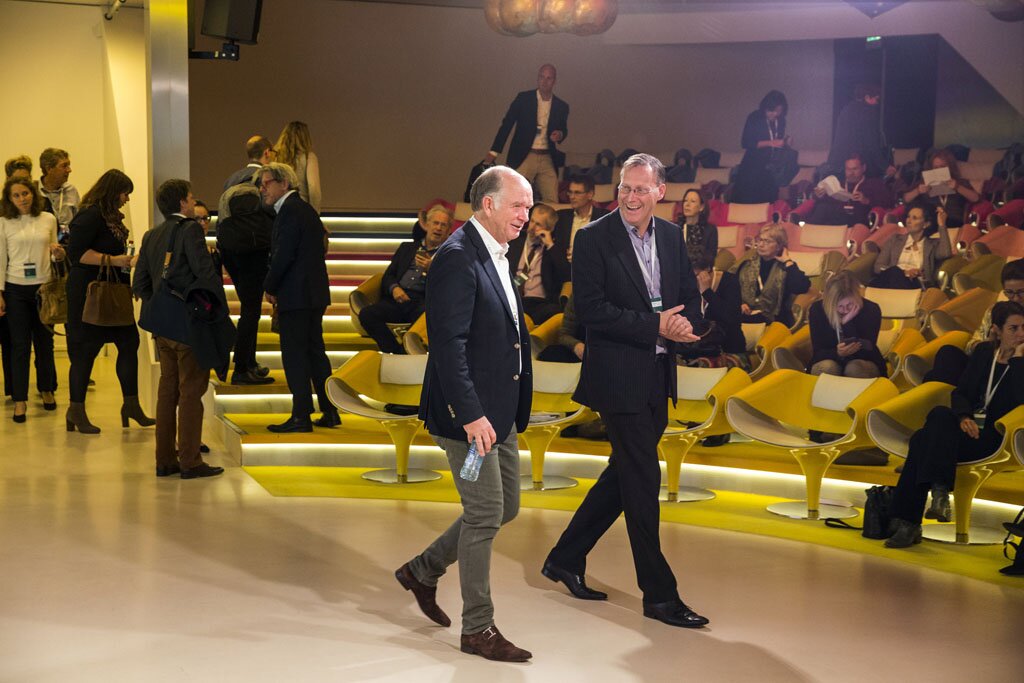
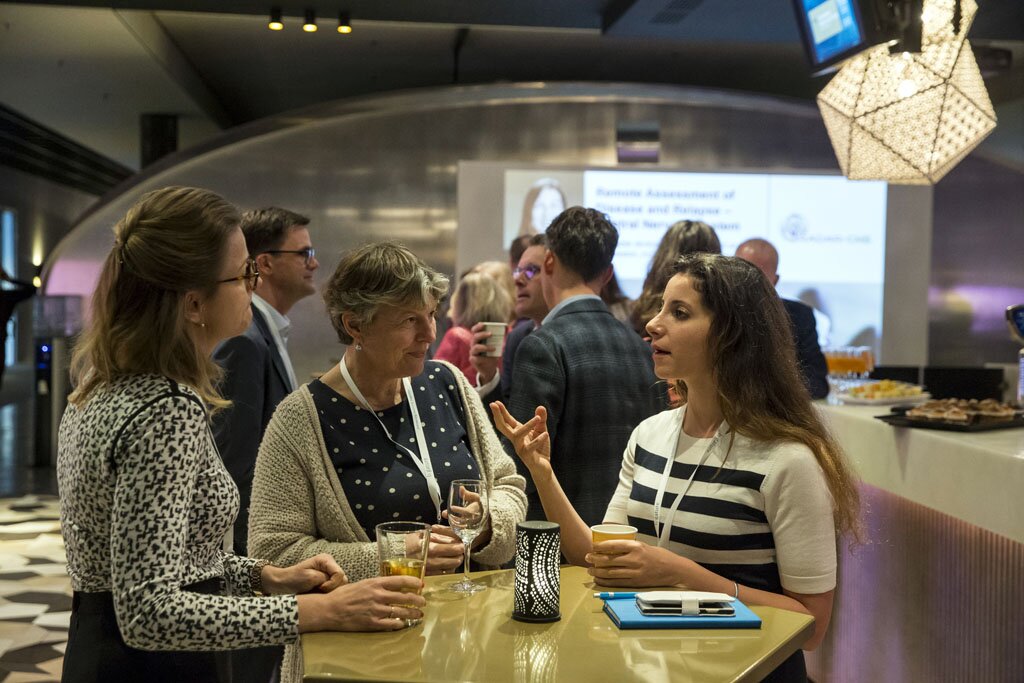
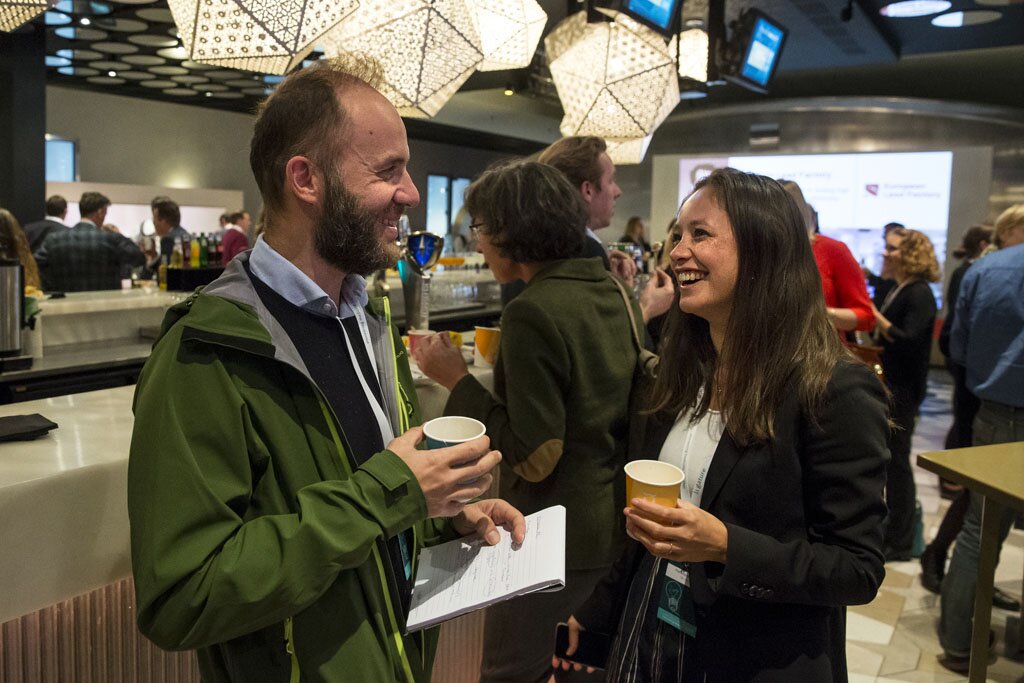
12.00 Lunch & networking
13.30 Keynote lecture by Tomas Salmonson (plenary)
Tomas Salmonson is the current chair of the Committee for Medicinal Products for Human Use, CHMP, European Medicines Agency, EMA
14.30 Coffee break
14.50 Essentials for Successful Collaborative Innovation (parallel)
-
Post-innovation Innovation: Platforms for Drug Repurposing
The cross-sector model is the obvious setting for unlocking the full potential of drug molecules, and for fostering innovation beyond the first discovery and invention rounds. In the Netherlands, much of the focus has been on the regulatory aspects of repurposing and repositioning. By contrast, this session will deal with the science and business behind successful repurposing projects. What are the business incentives? What are the elements needed for successful post-innovation innovation? And is this a valid route towards bringing better medicines to patients faster? We will straighten out the definitions; tap in on the experiences of big pharma, NGO and a social enterprise; and hear how you see the future of post-innovation innovation unfolding.
Confirmed speakers & panellists
- Joris Langedijk, PhD - Corporate Counsel, Brabers
- Adrian Freeman, PhD - Emerging Innovations, AstraZeneca
- Jean-Pierre Paccaud, PhD - Director, Business Development and Corporate Strategy, Global Antibiotic R&D Partnership (GARDP)
- Vincent van der Wel, MSc – Project Leader, Fair Medicine Foundation
-
Why, How and What you Win when you Involve Patients
There is a world to win when patients are engaged and involved in research projects and, besides that, every funder requires it. The problem? It’s easier said than done.
In this interactive workshop, we will discuss common questions such as: What is the benefit of involving patients? How do you recruit and approach them? What do you discuss with them, and how, and when? How can you arrive at a truly meaningful and valuable collaboration?
Representatives of Approach, an IMI project that efficiently created a Patient Council, will share how the Council has benefited the project. The most important do’s and don’ts will be presented.
Participants will also get the opportunity to discuss ideas, hurdles, and issues with patients, patient advocates, experienced researchers, experienced project managers, and patient organization representatives, in dedicated round table discussions.
“Researchers are now well aware that patients bring unique knowledge and skills to projects which can help to improve the quality of research. At IMI, we seek to encourage patient involvement in all our activities, and many projects already have patients on board.” (IMI)
Confirmed speakers:
- Jane Taylor, Chair of the Patient Council in the IMI-APPROACH project
- Harrie Weinans, PI of the IMI-APPROACH project
- Annemiek van Rensen, Senior Advisor PGOsupport
-
Consortia Branding: How to Connect to Stakeholders?
Large research collaborations are often temporary in nature. Yet, in order to achieve impact, any consortium should reach out and connect with relevant stakeholders. In marketing terms, this requires building up a brand. But how do you do that? With the help of external communication experts we will be discussing dilemmas and best practices.
Speakers
-
Conflicting? Big Data and Privacy
In May 2017, the WHO published a joint statement of 21 global funding organizations on public disclosure from clinical trials, affirming the following: "The prospective registration and timely public disclosure of results from all clinical trials is of critical scientific and ethical importance. Furthermore, timely results disclosure reduces waste in research, increases value and efficiency in use of funds and reduces reporting bias, which should lead to better decision-making in health."
There is indeed a global trend evident, with more and more players wanting to share and integrate clinical, biomedical/genomic, epidemiological, and patient-generated data. Integration and analysis of these data should eventually lead to improved health care delivery. The flip-side of this is that, even though the data are de-identified, there is an increased risk that the privacy of patients becomes compromised. This, together with the recent introduction of GDPR, means that hospitals are more reluctant, or at least more careful, in sharing clinical data.
This session will cover these conflicting elements. Two presentations will be given, one on the trend towards more and more sharing and integration of data; and the other on consequences, risks and precautions with regards to privacy. The two presentations will be followed by an interactive session, where the topics above are discussed with the audience. The discussion will also be triggered by asking for the audience's feedback on some related theses.
Speakers
- Martijn van Oijen, Amsterdam UMC, locatie AMC
- Birgit Wouters, Maastricht University
Moderator
- Nico van Meeteren, Health~Holland
-
Partnership Strategies towards Affordable and Accessible Healthcare
Debate around the price of medicines is intense. The overall societal issue of how to keep healthcare affordable sometimes seems to focus solely on the costs of new drugs. Innovation in developing new therapies and personalized medicine is often regarded as a driving force behind even higher prices. The end goal, namely finding ways to treat a certain disease and provide hope for patients, seems sometimes completely overlooked in the discussion.
On the bright side, various initiatives and partnerships have been established over the past couple of years that directly or indirectly aim to find new (business) models that balance innovation and costs while developing new medicines.
This session will start with an overview of the challenge at hand, focusing on medicines. Four partnerships that are active in various stages of the drug development pipeline will pitch their approach. A discussion guided by propositions will conclude the session.
Chair: Michel Rudolphie, Board member Lygature and former director of the Dutch Cancer Society
- Overview of the challenge: Philip Idenburg (founder and director BeBright)
Partnership pitches:
- European Lead Factory:
Jon de Vlieger (Business Development Director @Lygature) - FAIR Medicine:
Hans Büller (founder FAIR Medicine) - Oncode Institute:
Irene Kanter-Schlifke (Program Manager Oncode @Lygature) - Utrecht Center for Affordable Biotherapeutics:
Netty Dorrestijn (General Manager UCAB)
16.30 Closing Remarks by Bert Leufkens (plenary)
17.00 Networking drinks reception
Pictures