

Projects
BBMRI.nl
Making biosamples, images and data findable, accessible and usable for health research.
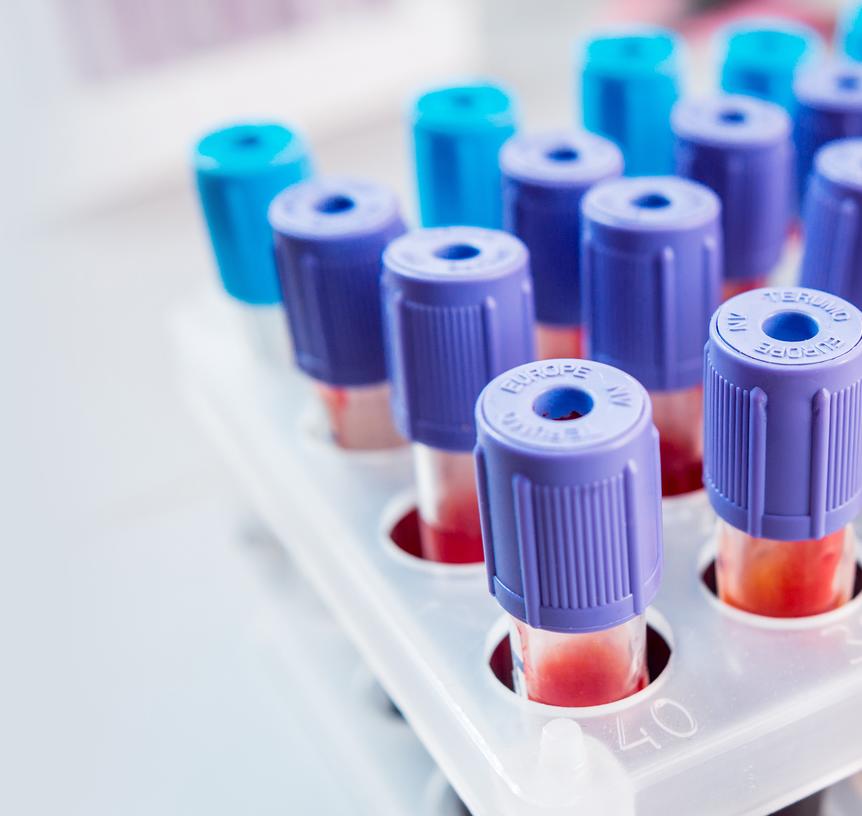
As part of the BBMRI-ERIC® consortium, BBMRI.nl is building and implementing the Dutch National Biobank Infrastructure. It collects, manages and makes accessible both the samples and the data and images needed for personalized medicine & health research. BBMRI.nl enables global (re)-use of resources.

20
partners from the Netherlands

€ 12.5 M
funding from NWO

About BBMRI.nl
BBMRI.nl aims to maximize the use of biosamples, images and data for health research on the prevention, diagnosis and treatment of disease in The Netherlands. In order to do so, BBMRI.nl provides: 1) access to biosamples, images and data, 2) tools to capture, integrate and analyse data, and 3) support on ethical, legal and societal implications. This is done with active participation of donors, citizens and patientsBBMRI.nl ensures that all developed resources are available in a Findable, Accessible, Interoperable and Reusable (FAIR) way.
BBMRI.nl is the Dutch National Node of BBMRI-ERIC: a European research infrastructure for biobanking that brings together the main players of the biobanking field - researchers, biobankers, industry, and patients - to boost biomedical research.
Visit the BBMRI.nl website for more information.
Ensuring operational excellence and providing data expertise
Six integrative Work Packages within BBMRI.nl each serve one or more parts of the strategy. Lygature was appointed to lead WP1 and to contribute to three, namely WP4, WP5 and WP6.
On behalf of Lygature, Tieneke Schaaij-Visser represents one of the WP-leaders managing the organisation, finances, communication, and collaborative activities within WP1 for BBMRI.nl. Lygature was granted this responsibility because of its experience with complex projects and its proven ability to manage the broader requirements of research, ranging from communications to legal issues. Lygature takes action in the following areas within BBMRI.nl:
- Program management. Lygature handles day-to-day operations including administrative and financial roles. It is responsible for all communications, and assists the SEC in coordinating, managing and monitoring the program on a day-to-day basis.
- Enabler of the biobank infrastructure. Lygature brings together the experts who build and implement the Dutch National Biobank Infrastructure. Aligning these processes allows for linkage of biobanks and clinical registries with the aim to promote secondary use of available samples and data for scientific research. Optimized tools are the request portal Podium and the Catalogue for sample and data collections.
- IT Infrastructure, support and access. Expertise acquired during the TraIT project has been pivotal in addressing data management, using proven solutions for multi-site data sharing and analysis.
- Facilitation of the Patient and Public Advisory Council (PPAC; Maatschappelijke Adviesraad Biobankonderzoek). The PPAC ensures the roles, interests, concerns and needs of patients and the pubic in biobank research and advices regarding its ethical and public aspects. Lygature actively enables the work of the PPAC by organizing its meetings, providing secretarial services, and promoting its work.
- Communications. Lygature disseminates information to internal project partners and externally - to the wider research community and general public. This includes maintenance of and posting on the project website, creating and mailing of newsletters and overall PR. Regular meetings with all WP leaders help to ensure the proper coordination of the project and that Lygature communicates efficiently in order to address emerging issues.
- Health-RI. Health-RI is the Dutch national initiative aiming to facilitate and stimulate an integrated health data infrastructure accessible for researchers, citizens and care providers. BBMRI.nl is one of its initiators, and Lygature is participating in its development.
Lygature’s role within BBMRI.nl demonstrates the wide range of different skills on offer to academics and commercial organizations. The project demands expertise in operational management, data management, regulatory issues, societal engagement, finance, and science. Importantly, Lygature is also playing an active ongoing role in promoting further improvements of research infrastructure.
Lygature together with
Amsterdam UMC, Erasmus Medical Center, Leiden University Medical Center, Maastricht University Medical Center+, Radboud University Medical Center, University Medical Center Utrecht, University Medical Center Groningen , Netherlands Cancer Institute, VU University Amsterdam, Parelsnoer, PALGA, Netherlands Heart Institute, SURFsara, Dutch Techcentre for Life Sciences, Legal Pathways, The Hyve, University of Groningen, Molgenis
Project updates
-
No far-reaching GDPR consequences for the Dutch research field
Are you prepared for the new General Data Protection Regulation? For researchers, there are no far-reaching GDPR consequences for the Dutch research field. This is because of adequate exceptions for research in this law, which comes into effect on May 25, 2018. To make sure researchers are prepared for the new regulation several sources with reliable information are available. Onderzoek Nederland interviewed Lex Bouter (Professor of Methodology and Integrity, VU and VUmc, and chair of COREON, the commission on Research Regulation). Read the interview (in Dutch) and check the sources with reliable information such as the AVG Register, DPIA & Compliance tool (developed by BBMRI-NL), the ELSI Service Desk and the updated COREON code of conduct. Read more
-
Article describes the importance of cohort studies in the post-GWAS era
A huge progress has been made in identifying genetic variants that modify individuals’ predisposition to common diseases. Read more
-
Lifestyle linked epigenetic differences found between higher and lower educated Dutch people
There are differences in DNA-methylation patterns on genes between higher and lower educated Dutch people that may be linked to lifestyle. This is the conclusion of research done by the Netherlands Twin Register of the Free University Amsterdam, together with researchers from the BBMRI-NL BIOS consortium. Read more