Home
Partnerships MeetUp 2019
In this series of articles, we look back at the highlights of the parallel sessions that were organized at the 2019 Lygature Partnerships Meetup.
18 December 2019
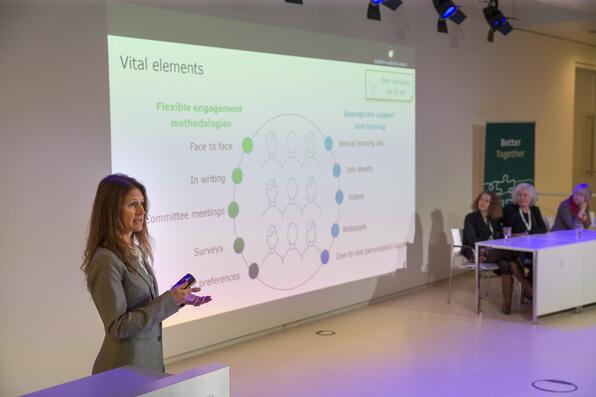
Session: Patient engagement: how end-users can help you develop better medical products
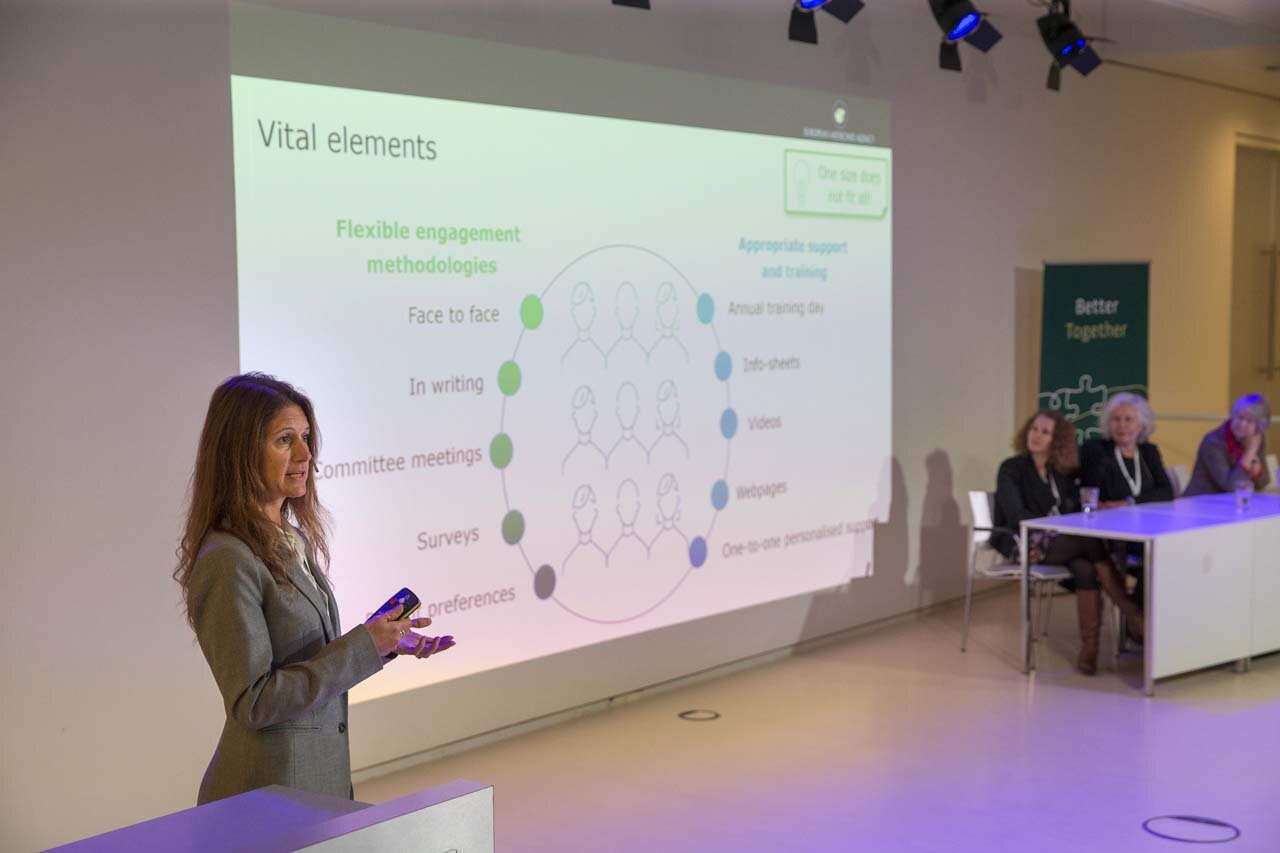
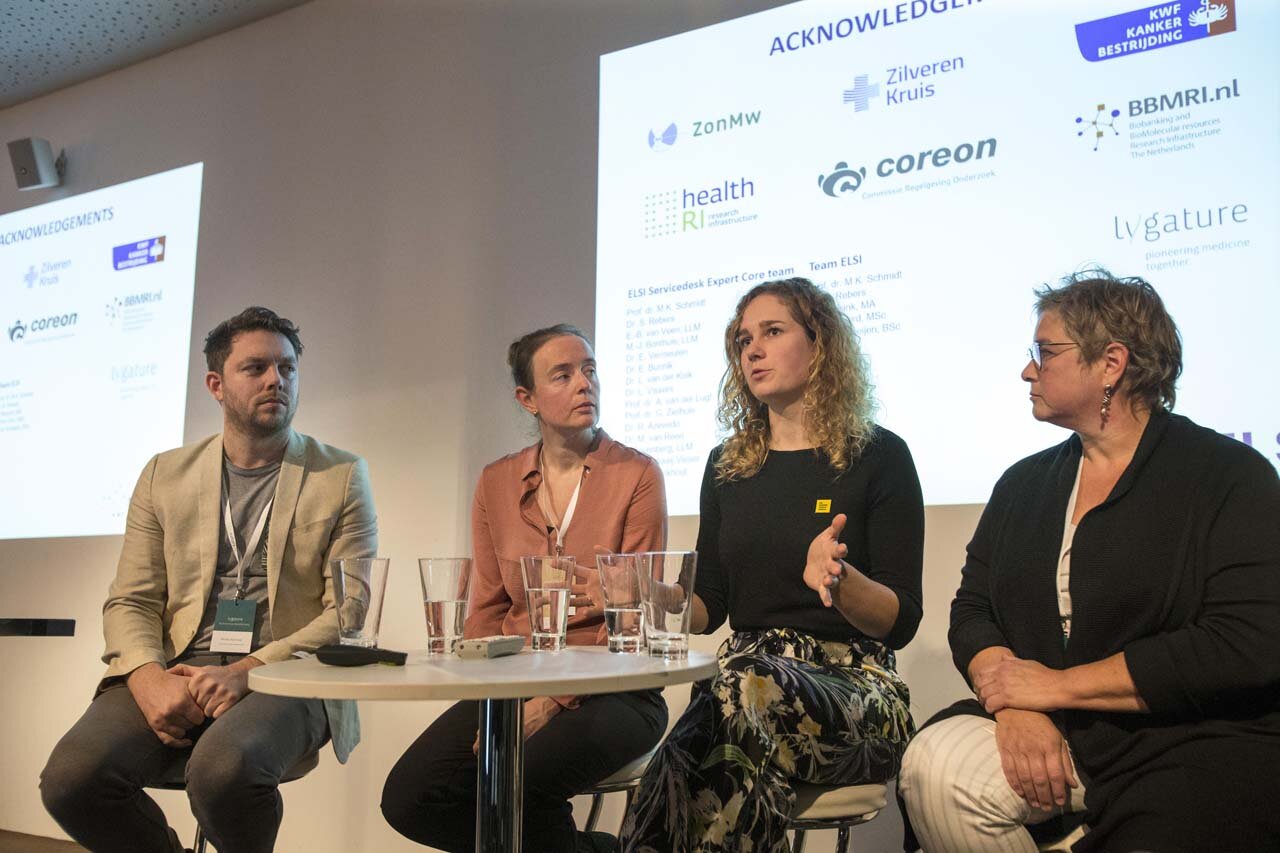
In this session, speakers shared their experiences, each from their own perspective, with patient engagement at different stages in developing a medical product: from research & development to bringing a product to market. Read more
12 December 2019
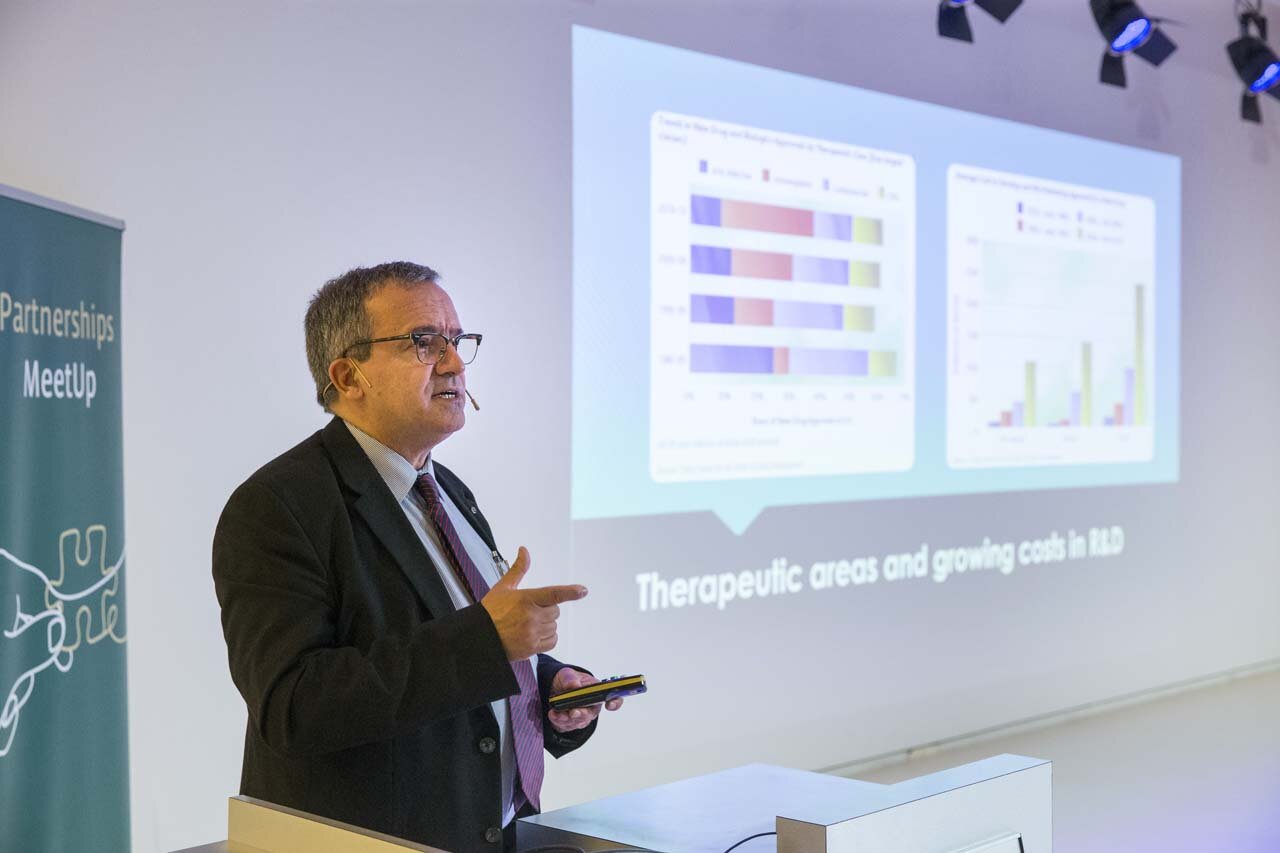
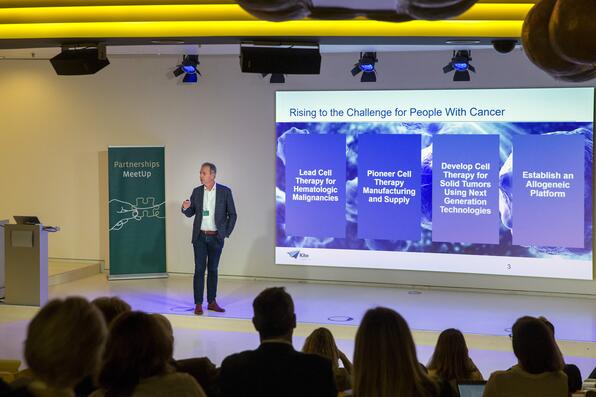
Keynote lecture by Rogério Gaspar – European Science Policy moving towards a higher level of societal impact: what about health innovation?
The first keynote was presented by Rogério Gaspar, Vice President of the European Federation for Pharmaceutical Sciences and Professor at the Faculty of Pharmacy of the University of Lisbon.
6 December 2019
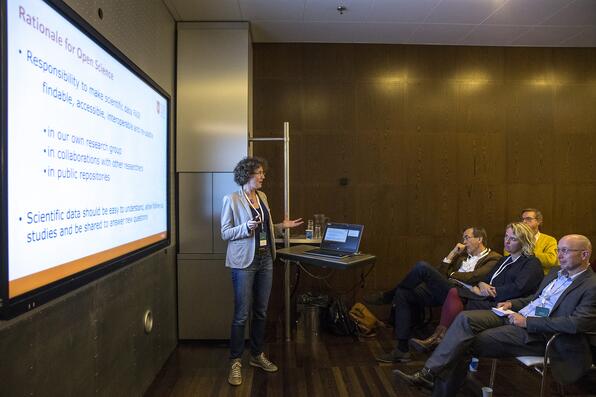
Session: The path to open science
This session covered questions around why we should move towards Open Science, what it still takes to get there and how Open Science awareness can be increased, including practical examples and learnings of what is already being undertaken. Read more
29 November 2019
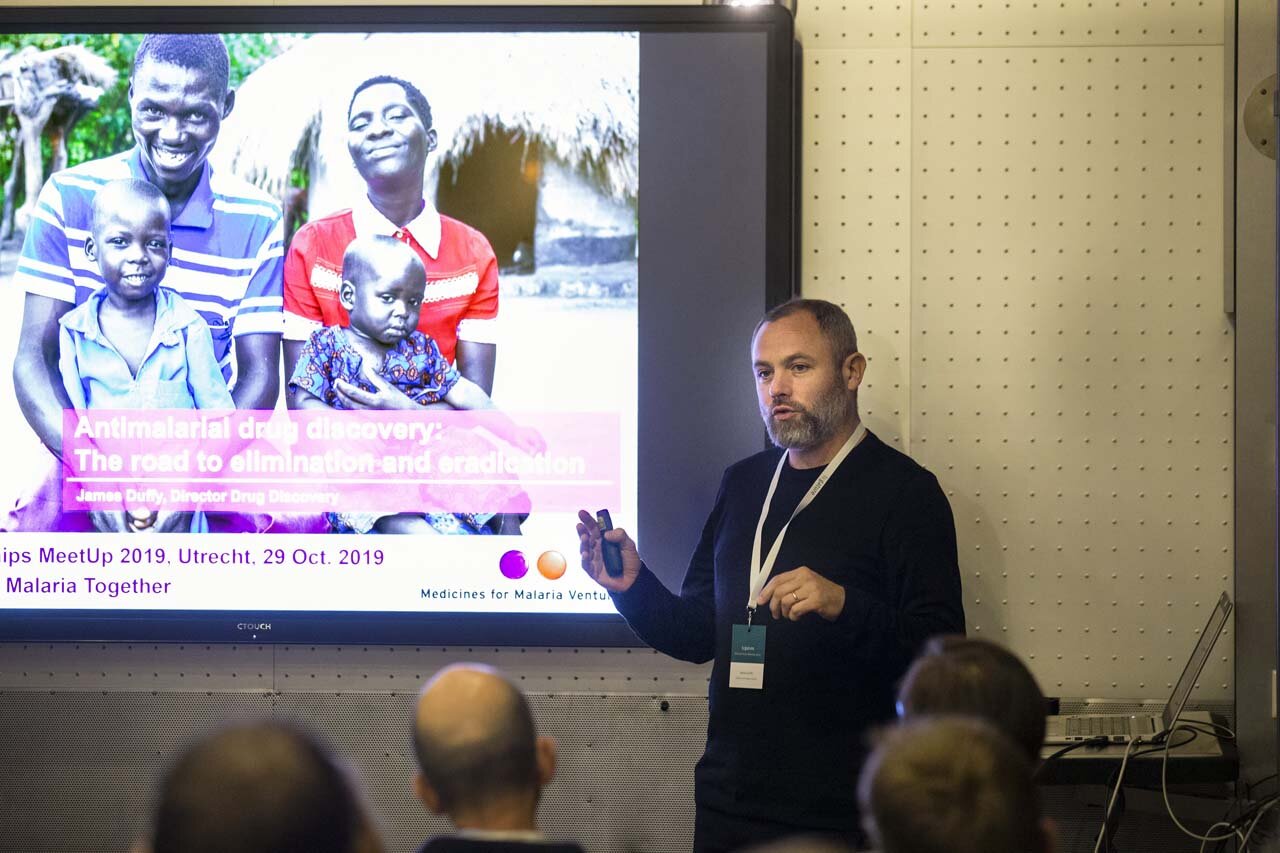
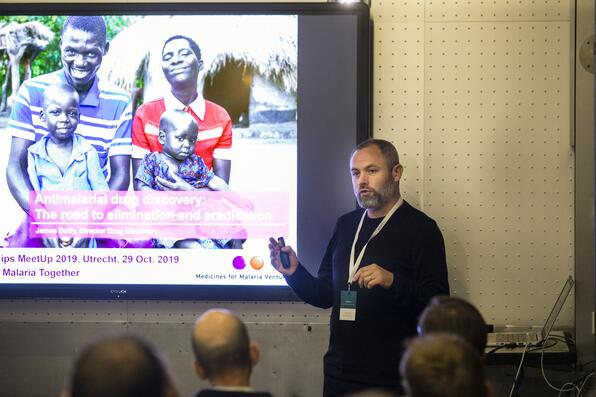
Session: Next-generation leads targeting neglected tropical diseases
As co-organizer, Remco de Vrueh from Lygature set the stage of the meeting by highlighting the pivotal role drug discovery plays in industry, academia and society in jointly meeting the UN Global Health and Well-Being Goals (Sustainable Development Goal 3). Read more
19 November 2019
Session: Successful integration of ethics and integrity in partnerships – a joint responsibility
The session ‘Successful integration of ethics and integrity in partnerships – a joint responsibility’ focused on the question of how to approach ethics and integrity in public private partnerships. Read more
15 November 2019
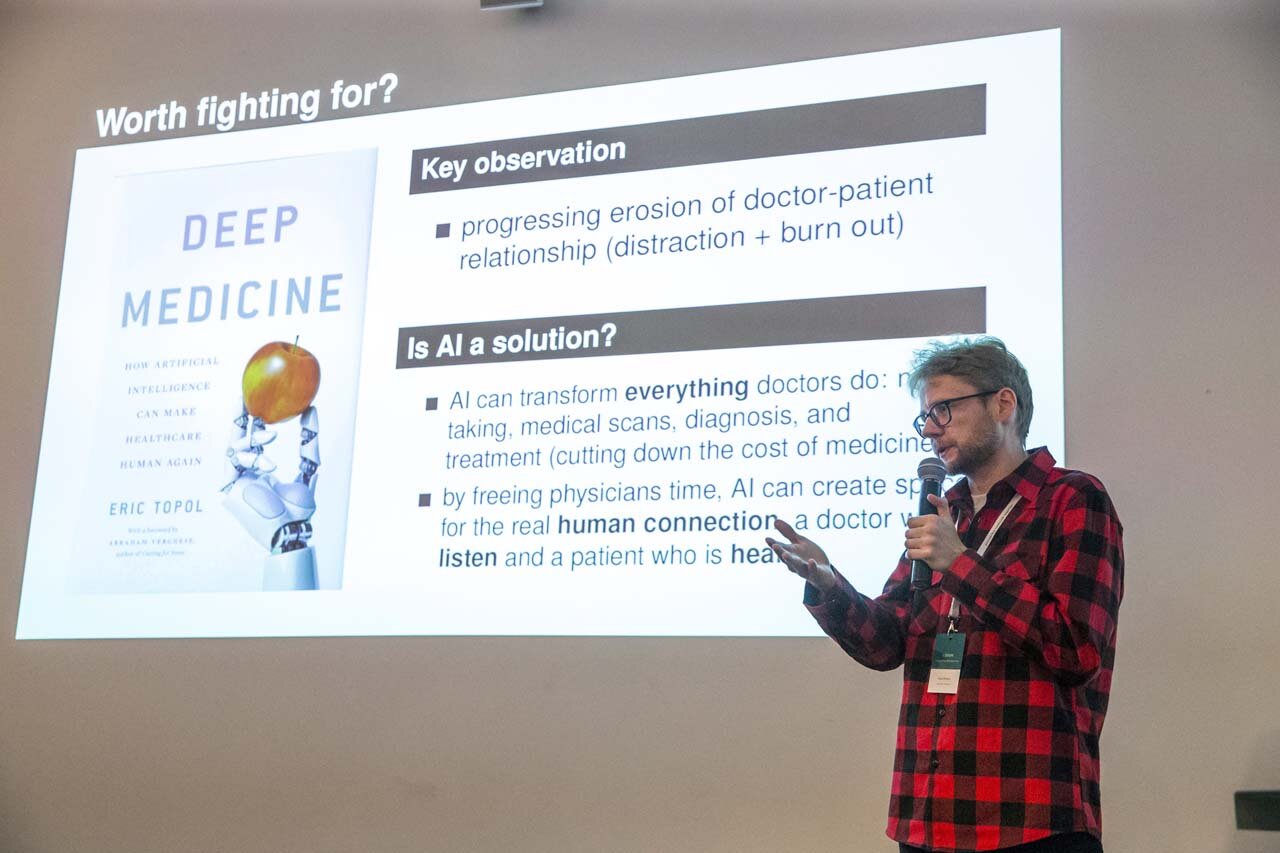
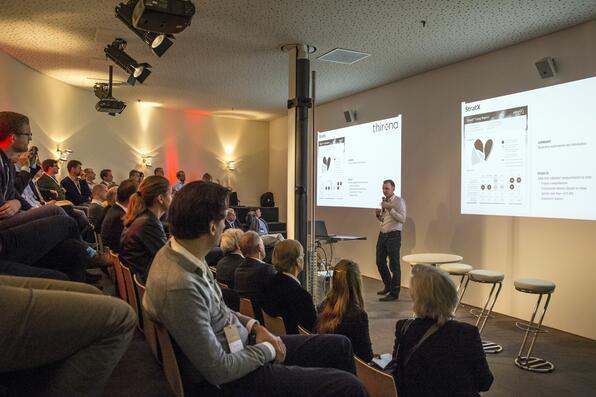
Session: Artificial Intelligence in medicine development – without the hot air
The goal of the session ‘Artificial Intelligence in medicine development – without the hot air’ was to dig into the real opportunities for AI for medicine development, with machine learning as a specific example of current use in clinical trials. Read more
Program
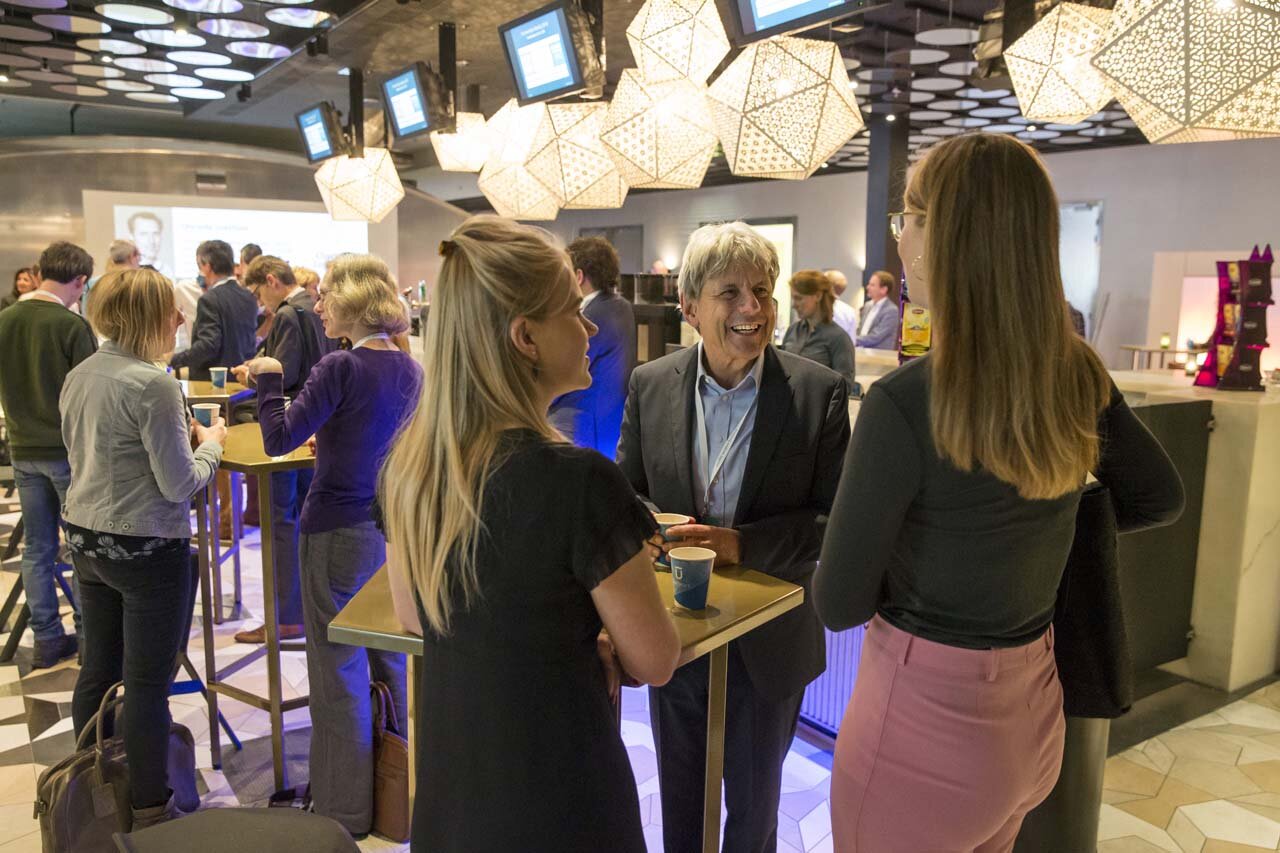
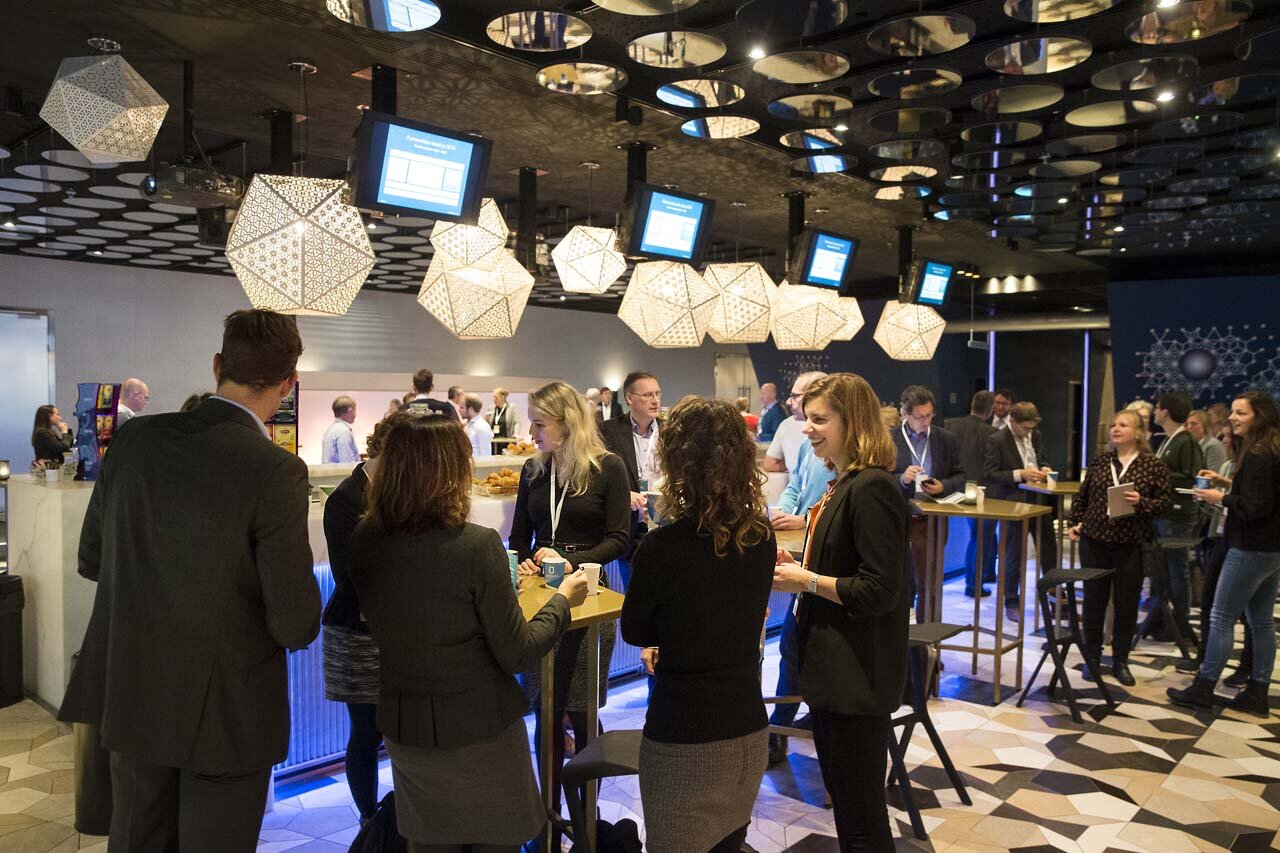
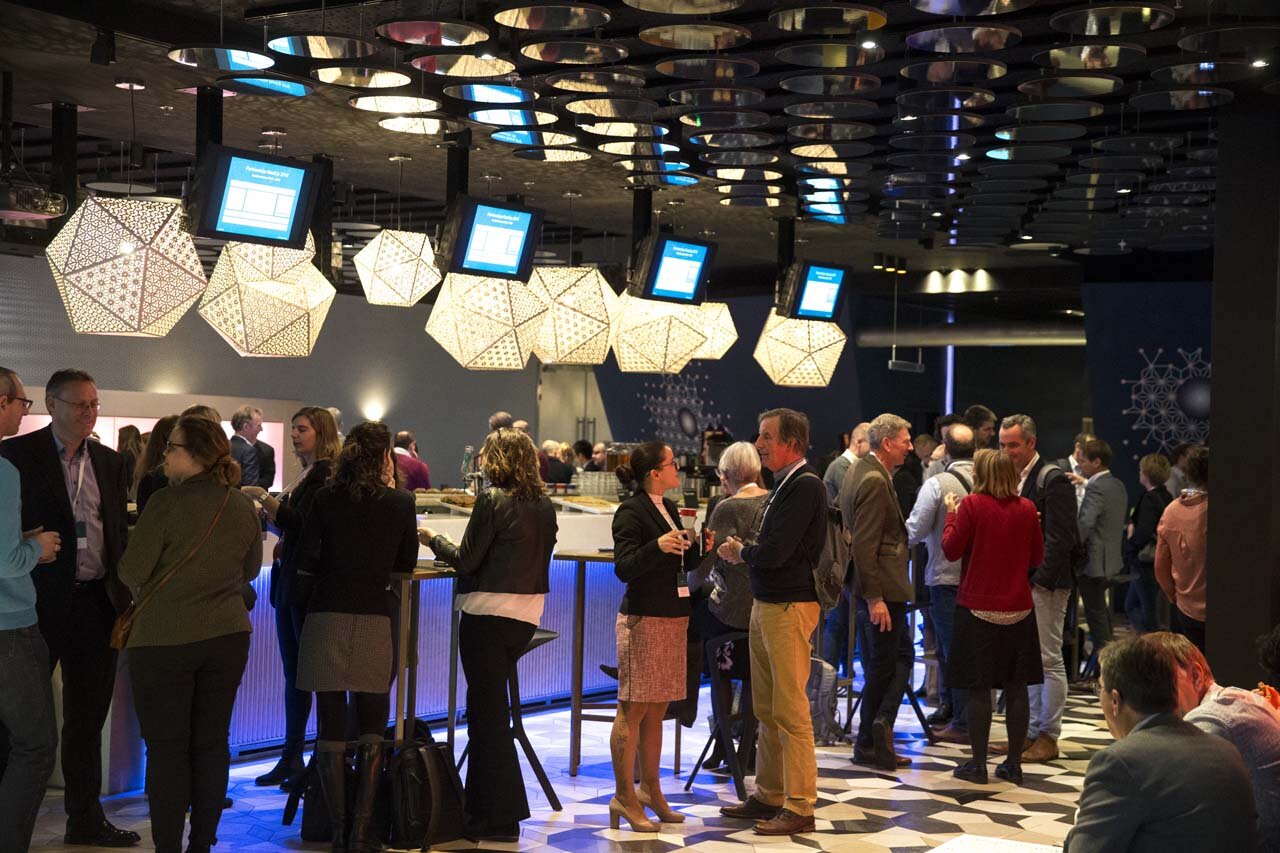
09.00 Walk-in and coffee
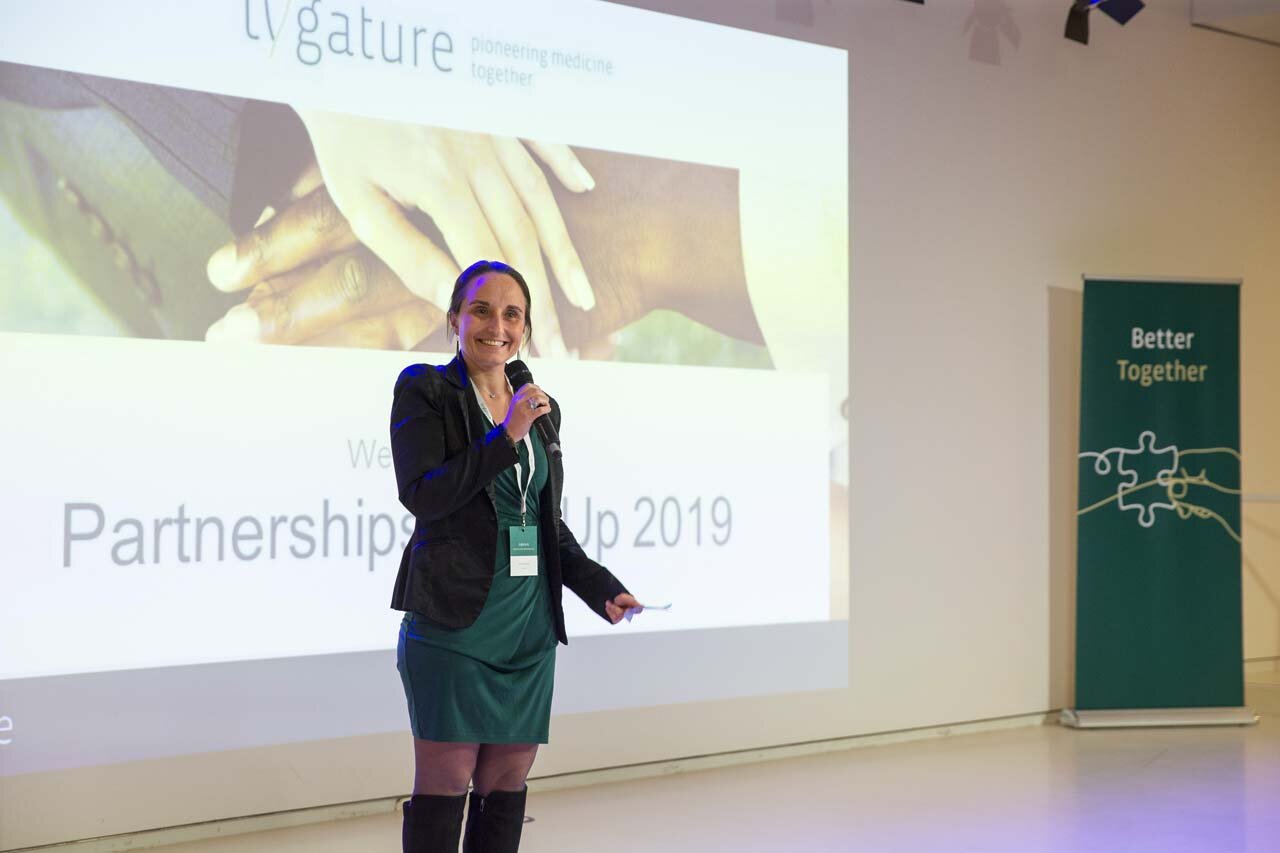
09.30 Opening by Jorg Janssen, Managing Director Lygature (plenary)
10.00 Key trends for Science in Partnerships (parallel)
-
Artificial Intelligence in medicine development - without the hot air
Developments in Artificial Intelligence (AI) are seen as one of the drivers for a fourth industrial revolution, which will impact all human activities, including medicine development and health care. There are obvious benefits for patients (e.g. more data about the patient that can be assessed, freeing up time for health care professionals for human interaction and including the full body of medical knowledge to identify the optimal treatment for an individual patient). Furthermore, AI creates new opportunities in clinical development, such as defining inclusion/exclusion criteria, the assessment of clinical efficacy of new drugs and evaluation of (new) clinical endpoints using innovative data points. In addition, ‘regulatory intelligence’ might be a future AI application that helps regulatory bodies and healthcare providers to structure data streams and support complex regulatory decision making in the era of real-world data.
In this session we will dig into the true opportunities of AI for medicine development, with machine learning as a specific example of current use in clinical trials. Next, presentations from stakeholders in industry and regulatory bodies will set the scene for a healthy and realistic discussion about how AI can find its way into clinical trials and regulation.
Confirmed speakers
- Prof. dr. Kit Roes, Professor of Biostatistics at Radboud University/Radboudumc, chair of the Methodology work group at the College ter Beoordeling van Geneesmiddelen (Medicines Evaluation Board), and a member of the Biostatistics Working Party at the European Medicines Agency
- Dr. Pawel Widera - Research Associate, Interdisciplinary Computing and Complex BioSystems group at Newcastle University, UK
- Prof. Bram van Ginneken - Professor of Medical Image Analysis at Radboud University Medical Center, the Netherlands; chair of the Diagnostic Image Analysis Group
Presentations
- Artificial intelligence in medicine development - Intro slides
- Artificial intelligence in medicine development - without the hot air by Bram van Ginneken
- Introduction to Artificial Intelligence and Machine Learning by Pawel Widera
-
Next-generation leads targeting neglected tropical diseases
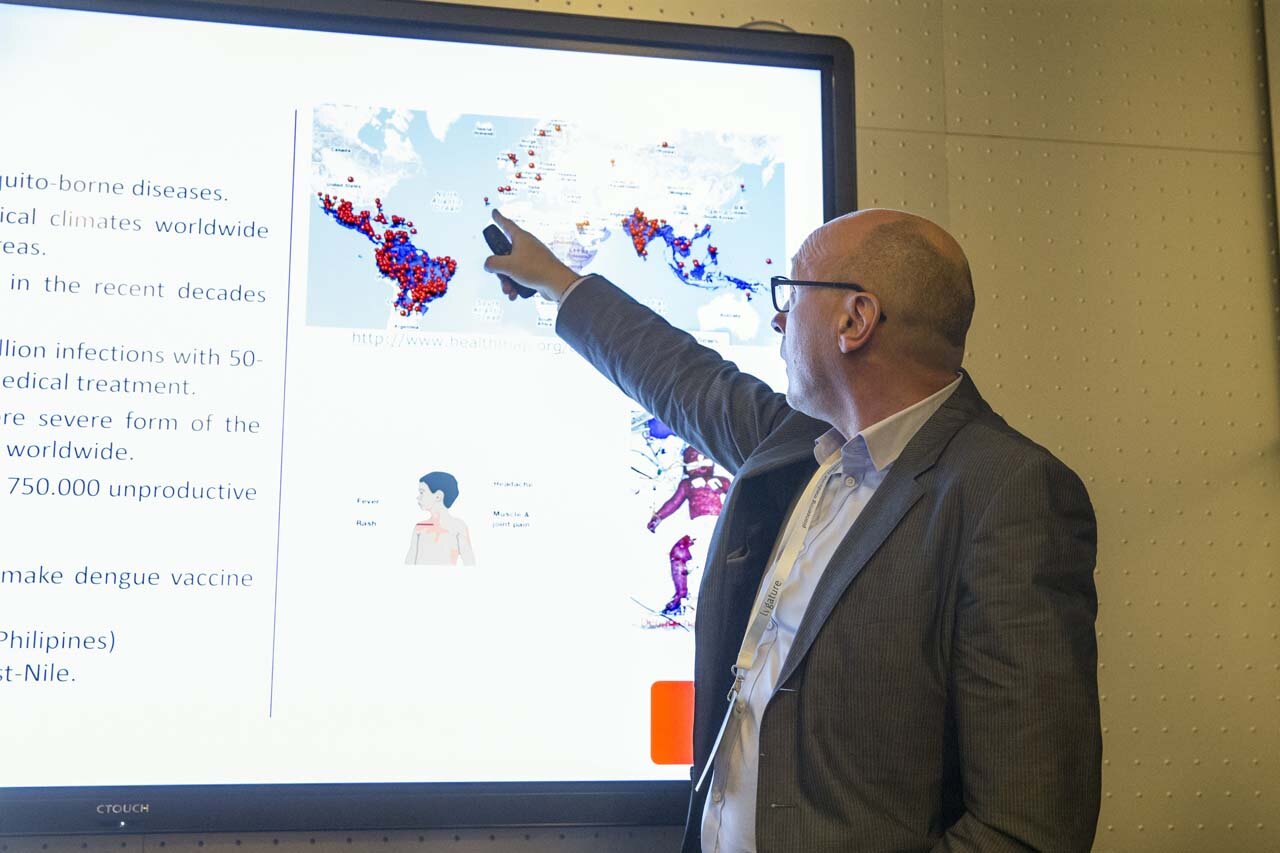
This session will highlight the early research stage of pharmaceutical R&D in the field of neglected tropical diseases (NTDs): lead identification and optimization. This stage is an exciting area where high-quality science in chemistry, biology and translational research coalesces into the leads for novel or improved treatments of NTDs, including malaria and TB. Equally important is that through funding entities like the Innovative Medicines Initiative and the Japanese GHIT Fund, various pharmaceutical companies are providing academic institutes, PDPs and SMEs access to expertise, compound libraries and infrastructure. In return, the pharmaceutical companies gain valuable insights and access into the latest discovery research efforts and disease understanding. The need for novel leads in the area of NTDs is clearly recognized and represents hope to the more than one billion people affected across the globe.
A panel of renowned (inter)national experts will provide an in-depth insight into their latest scientific achievements in NTD lead identification and optimization. Apart from basic science, this session will shed light on the importance of successful interdisciplinary research and appreciating the chemistry, biology and translational research perspective.
Confirmed speakers
- Jennifer Keiser, Associate Professor at the Department of Medical Parasitology and Infection Biology at the Swiss Tropical and Public Health Institute (Swiss TPH)
- James Duffy, Director Drug Discovery at the Medicines for Malaria Venture, Switzerland
- Bernd van Buuren, CEO ProtInhi Therapeutics, the Netherlands
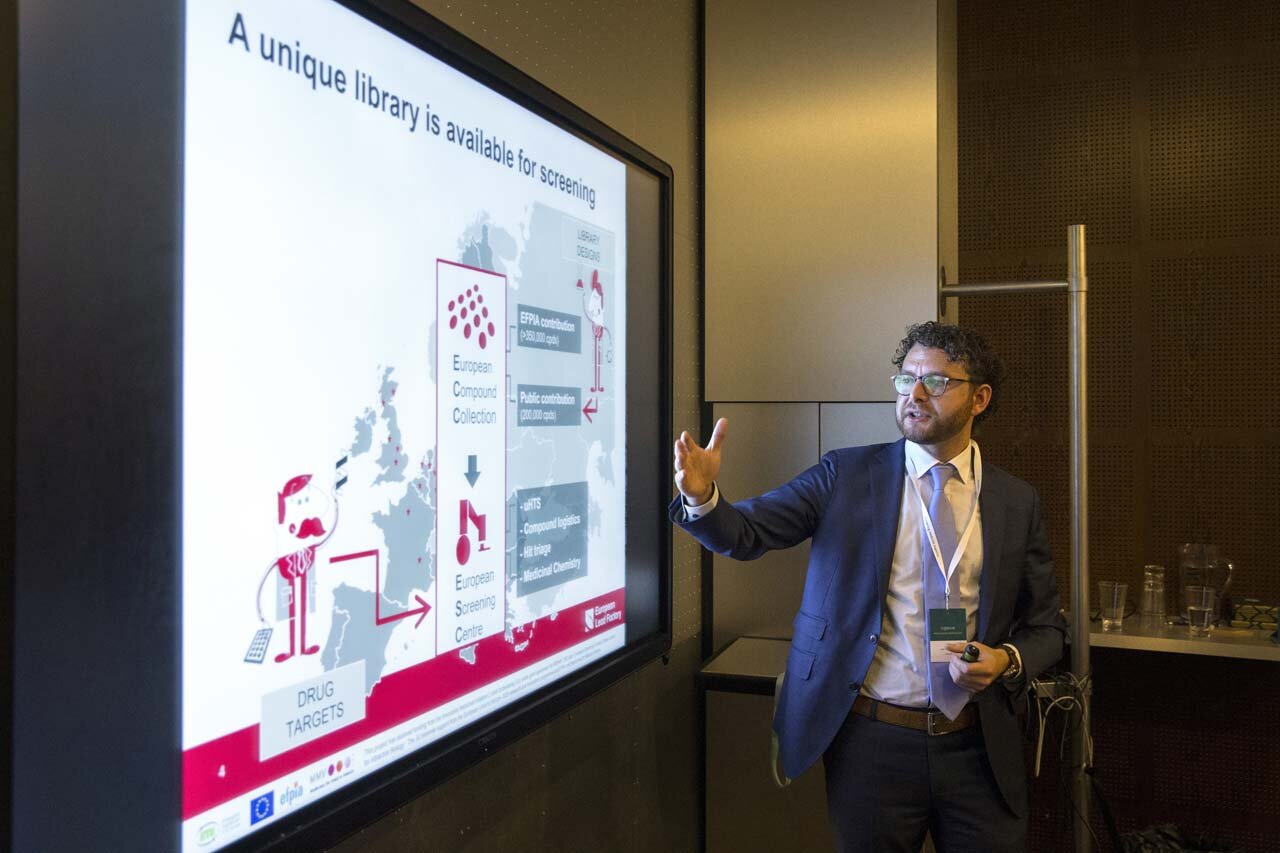
- Jon de Vlieger, Director Business Development at Lygature and Coordinator of the ELF-ESCulab project; new opportunities for NTD drug discovery, the Netherlands
-
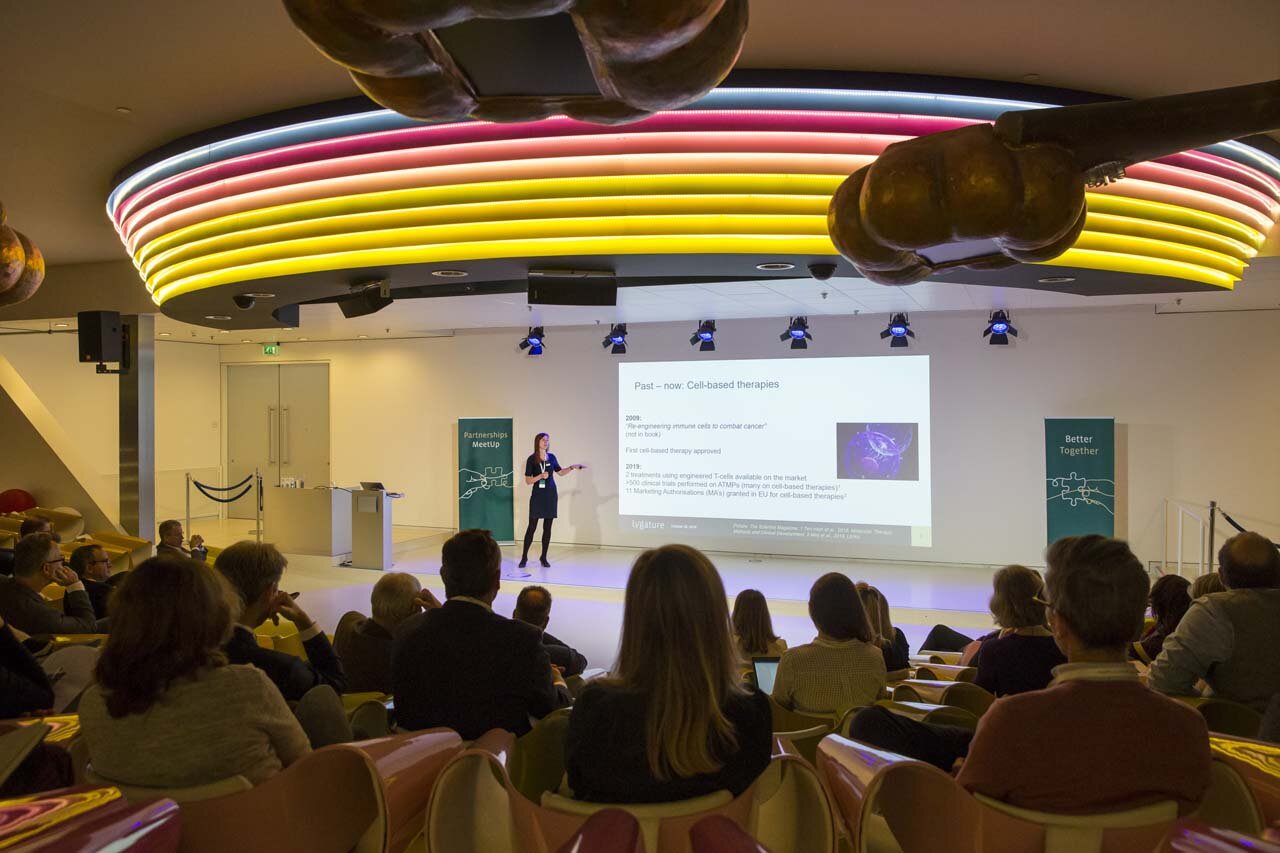
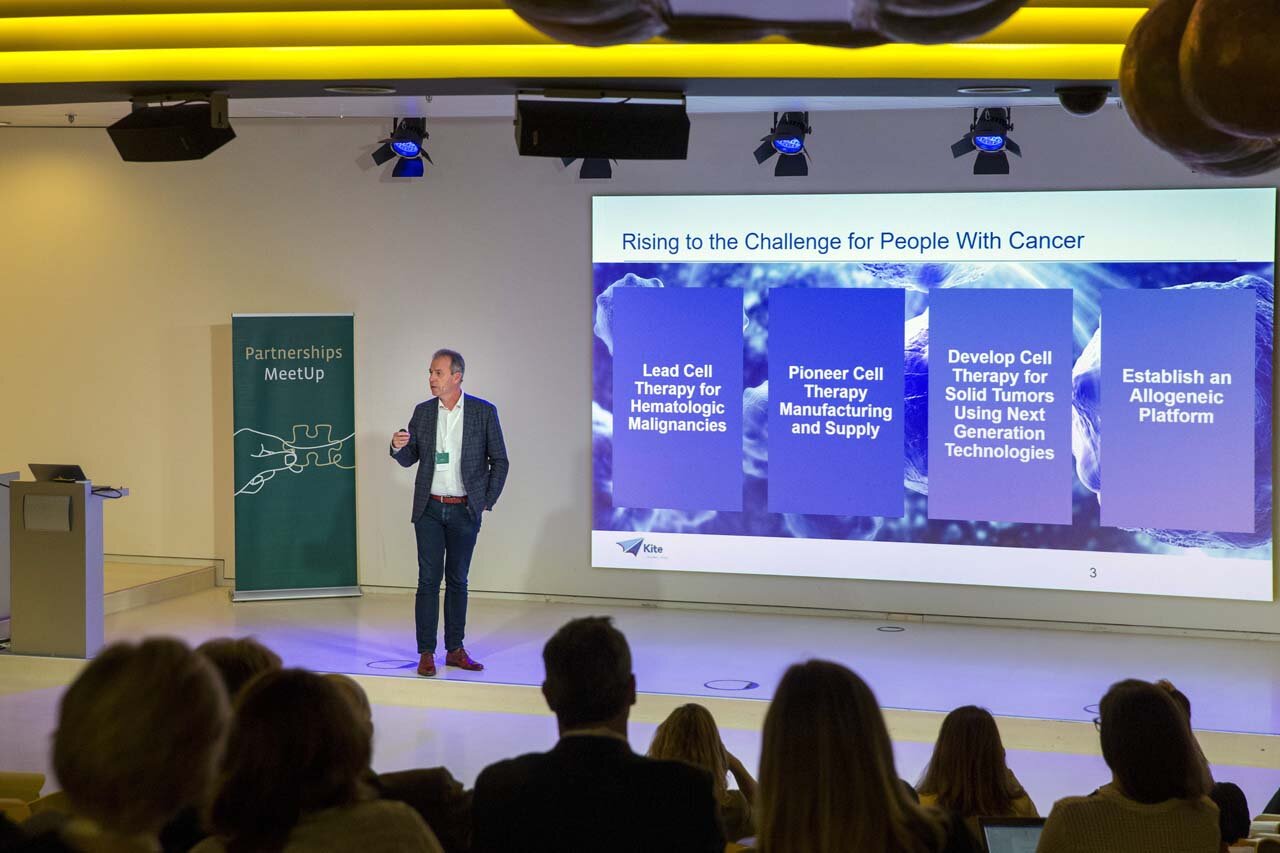
Personalized cell-based therapies and diagnostics: what will the future bring us, and what can we learn from the past?
Recent scientific innovations have led to the development of highly personalized medical solutions in which a patient’s own cells are used as a basis for personalized treatments and personalized diagnostics. These innovations hold the potential to transform the way in which diseases are treated and diagnosed. Providing remedies to conditions that currently go untreated and adapting treatment strategies to a highly individualized level.
However, these innovative therapies and diagnostic tools are complex, and fundamentally different from our "classical" ones. Consequently, we are faced with daunting scientific, regulatory, logistical, economic, and cultural obstacles, which need to be overcome to establish the use of patient cells as a widespread and viable medical solution.
If we want to get the most out of cell-based therapies and diagnostics, we need to identify and overcome the challenges that we currently face to safeguard successful implementation of these new medical solutions. At Lygature we believe that this can only be achieved in an integral approach with all stakeholders involved. In this session, we will discuss the potential and the challenges of innovative cell-based personalized therapies and diagnostics. Different stakeholders will share their past challenges, current practices and future visions.
Confirmed speaker
- Karin Hoogendoorn MSc, Pharm D - Scientist ATMP product development at the Leiden University Medical Centre, The Netherlands
- Markwin Velders, PhD, Vice President Operations & Managing Director, Kite EU B.V., a Gilead Company
- Prof. Kors van der Ent, Professor in Paediatric Pulmonology and chair of the Child Health program at UMC Utrecht.
- Pauline Meij, PhD, Head of Production ATMP/ Qualified Person ATMP at the Leiden University Medical Centre, The Netherlands
12.00 Lunch & networking
13.30 Keynote lecture by Rogério Gaspar - European Science Policy moving towards a higher level of societal impact: what about health innovation? (plenary) (presentation)
- Rogério Gaspar is Vice President of the European Federation for Pharmaceutical Sciences and Professor at the Faculty of Pharmacy of the University of Lisbon.
14.15 Comfort break
14.30 Essentials for Successful Partnerships (parallel)
-
Successful integration of ethics and integrity in partnerships – a joint responsibility
Together, we work on solutions for patients. Public private partnerships provide the opportunity to gain synergy on important subjects such as new drug discovery or research data management.
Developments such as the application of new technologies to support people in their own health journey are moving forward at a fast pace. And with this, the importance and magnitude of new or broader ethical questions rises. Working together in partnerships offers a spectrum of ways to address ethical questions.
This session will focus on experiences with the successful integration of ethical matters in public private partnerships. Which factors are crucial for this successful integration? And what can we learn from experiences?
Speakers
- Natalie Evans, Stakeholder Consultation Lead, The Embassy of Good Science
- Suzanne van de Vathorst, Professor, AMC
- Alistair Niemeijer, Universitair Docent en Onderzoeker Zorgethiek & Beleid
- Susanne Rebers, Associate Scientific Staff Member at The Netherlands Cancer Institute
Moderators
- Martin Boekhout, Senior Consultant at MLC Foundation
- Inga Tharun, Program Manager at Lygature
-
Patient engagement: how end-users can help you develop better medical products
Input from end-users can make innovations more successful by complementing technical knowledge with practical experience. In the life sciences and healthcare environment, involvement of end-users is commonly called ‘Patient Engagement’. We recognize the importance of end-user involvement for the success of new healthcare developments.
During this session, speakers will share experiences and learning points from different perspectives. They will discuss success stories as well as common challenges and share ideas on how to overcome them. You will hear about experiences of engaging patients at different stages of developing a medical product, ranging from research & development, through registration, to bringing the product to the market successfully.
Topics and Speakers
- Learnings from a European public-private partnership by Emilio Merlo Pich, Executive Director at Takeda, Switzerland
RADAR-AD is a research project that explores remote monitoring of disease progression in early Alzheimer’s Disease (AD). Researchers work in partnership with patients and their carers throughout all stages of RADAR-AD. This ensures that decisions made in the project lead to high scientific quality as well as being meaningful from the perspective of people living with AD.Dr. Emilio Merlo Pich, co-lead of the patient engagement work package, will explain how patient engagement has been set up successfully (and what challenges were overcome), how it contributes to the research work, and what learnings he is taking away from this.
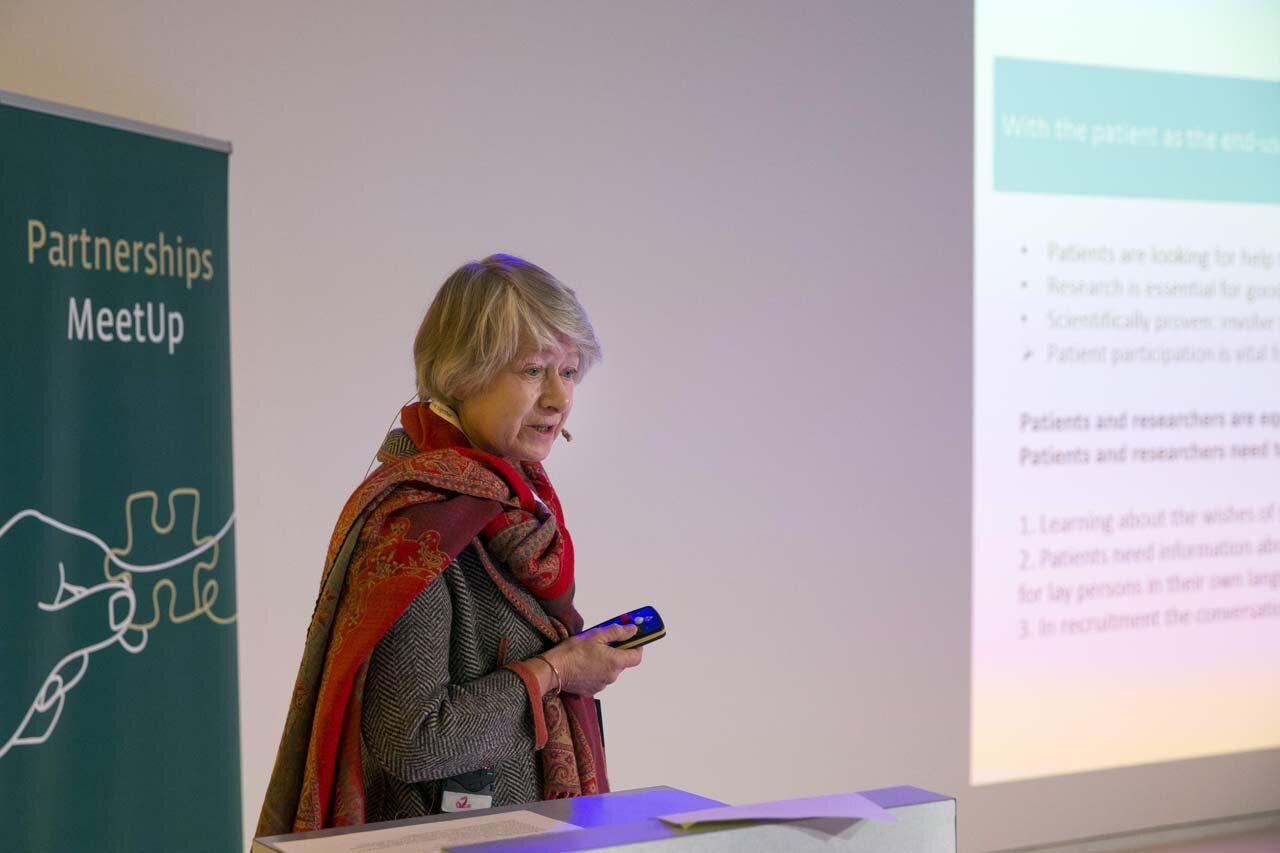
- With the patient as the end-user, of course! by Veronica van Nederveen, chair of the Patient Group, Dutch Clinical Research Foundation, The Netherlands
Patient recruitment will be more effective (quicker and more suitable) if researchers are able to ask patients to join their investigation in a patient-friendly way. Recruitment and engagement during the research will have better results when patients have easy access to understandable information about the study, in a lay person’s own language. Researchers need to know what patients consider important characteristics of quality of life. Is it a longer life, less pain, less itching, walking around, being a part of society, having a job, self-management of their life?In her talk, Veronica van Nederveen will discuss these aspects and share experiences from the DCRF that illustrate how the conversations of researchers and end-users, as equals, can benefit all parties involved.
- Patient engagement at EMA; a progressive journey by Nathalie Bere, Patient Engagement Specialist, European Medicines Agency, The Netherlands
In this presentation, Nathalie Bere will highlight how EMA has worked with patients and consumers over the years in a progressive manner to ensure engagement evolved and expanded through mutual learnings. The challenges, as well as the benefits of mutually beneficial interactions, will be covered.
- How patient organizations can help bring better products to market: example from the Duchenne Parent Project by Elizabeth Vroom, Director at the Duchenne Parent Project and Board Member of EURORDIS Rare Diseases Europe, The Netherlands
How can companies get patient input to bring the most meaningful solutions to market? And how can patient groups help decision makers identify the real value of new treatments?Elizabeth Vroom will share her experience on this from the rare disease space. We will hear about the Duchenne Community Advisory Board as an important resource for industry, and learn how patient organizations can provide input to Health Technology Assessments and reimbursement decisions.
Presentations
- Learnings from a European public-private partnership by Irene Kanter-Schlifke
- With the patient as the end-user, of course! by Veronica van Nederveen
- Patient engagement at EMA; a progressive journey by Nathalie Bere
- Learnings from a European public-private partnership by Emilio Merlo Pich, Executive Director at Takeda, Switzerland
-
The path to Open Science
Over the past years, policy makers from around the world have articulated a clear and consistent vision of global Open Science as a driver for transparent, data-driven research that will accelerate innovation. The rationale behind Open Science is multifold, but perhaps the most prominent argument is sociological: scientific knowledge is a product of social collaboration and public funding; its ownership therefore belongs to the community. From an economic point of view, scientific outputs generated by public research are a public good that everyone should be able to use at no cost and as soon as it is available.
In this afternoon session we will cover why we should move towards Open Science, what it still takes to get there and how Open Science awareness can be increased. This will be followed by practical examples and learnings of what is already being undertaken. The presentations will be concluded by a discussion on the topics presented.
Topics and Speakers
- The promise of Open Science by Frank Miedema, Utrecht University
Frank Miedema, Vice Rector for Research at Utrecht University and chair of the Utrecht University Open Science Program, will explain how open Science is not only about Open Access and FAIR Open Data. Indeed, sharing our results as quickly as possible with the scientific community and stakeholders in society is important for the quality and progress of our work. However, there is more to Open Science. It seeks to connect our research more directly and continuously with societal stakeholders, who comprise a diverse set of publics with a diverse set of problems. This open relation at all stages of knowledge production has been shown to improve the research agenda and to enhance the potential impact, use and adoption of new knowledge.This is the promise of Open Science. - Accelerating Open Science in the Netherlands by Melanie Imming, SURF
Melanie Imming, community manager Open Science at SURF, will talk about recent efforts to accelerate the take up of Open Science in the Netherlands by fostering initiatives that promote Open Science, and projects that are professionalising Data Stewardship by looking at training, career perspectives and better job descriptions for Data Stewards. - Open Science at the Princess Máxima Center by Judith Boer, Princess Máxima Center
Judith Boer, researcher and data steward of the Den Boer research group at the Princess Máxima Center, will show how structured and transparent archiving of raw and processed research data enables reproducible science. This team effort of the Den Boer group was recently rewarded by ZonMW with the Open Science Boost to Professor Monique den Boer.
Presentations
- The Promise of Open Science by Frank Miedema
- Accelerating Open Science in the Netherlands by Melanie Imming
- Open Science at the Princess Máxima Center by Judith Boer
- The promise of Open Science by Frank Miedema, Utrecht University
16.15 Comfort break
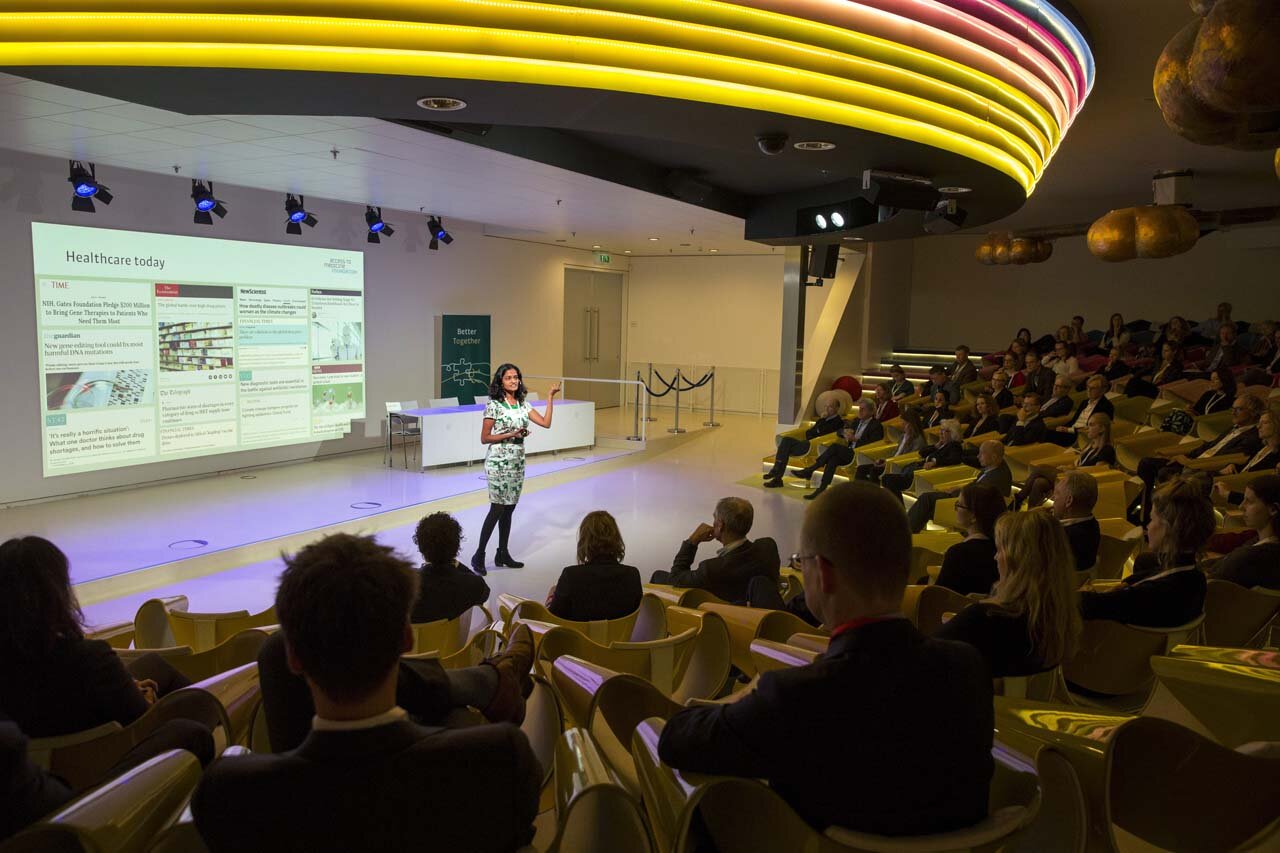
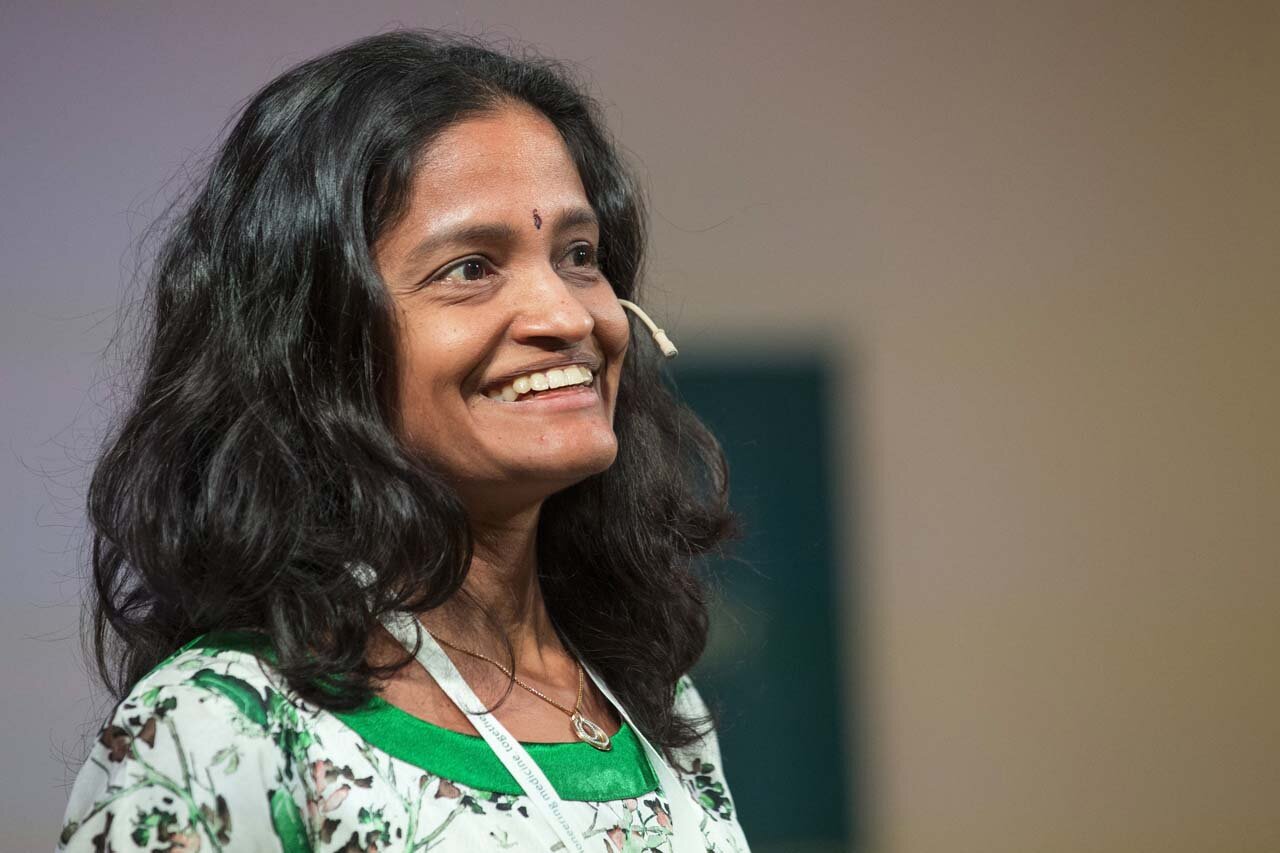
16.30 Keynote lecture by Jayasree K. Iyer - Partnerships: the changing face of innovation (plenary) (presentation)
- Jayasree K. Iyer leads the Access to Medicine Foundation as Executive Director.
17.15 Closing Remarks by Bert Leufkens (plenary)
- Bert Leufkens is Professor of Pharmaceutical Policy and Regulatory Science at the University of Utrecht and part of the Scientific Leadership team at Lygature.
17.25 Networking drinks reception